The Top 11/80 Books Grant Read in 2024

Screenshot

1. Tomorrow, and Tomorrow, and Tomorrow by Gabrielle Zevin

2. Never Whistle at Night: An Indigenous Dark Fiction Anthology by Shane Hawk

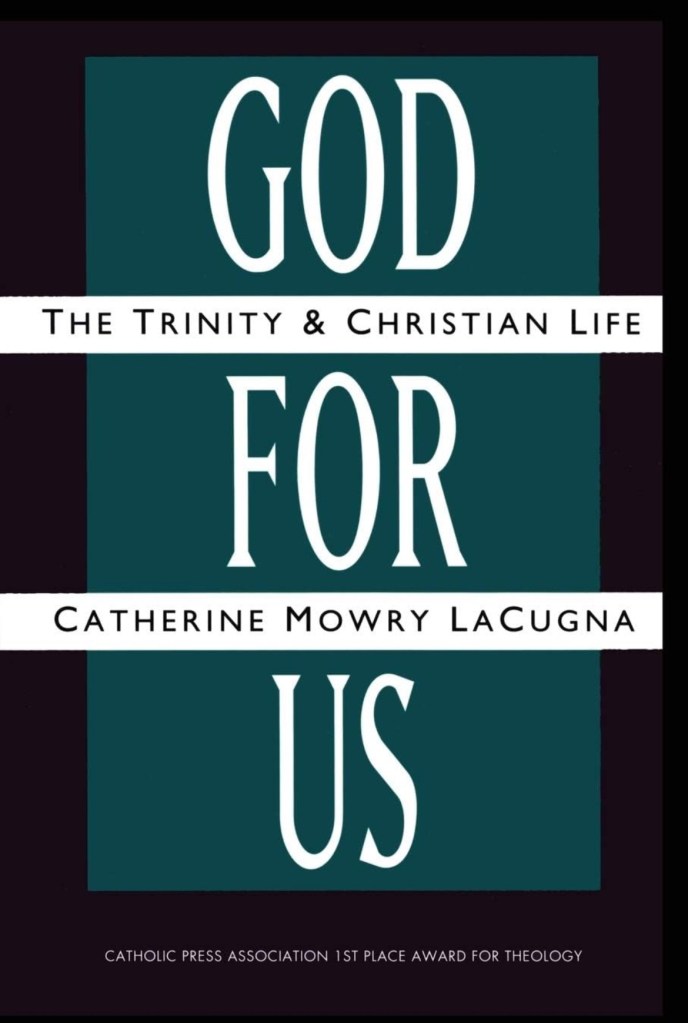
3. God for Us: The Trinity and Christian Life by Catherine Mowry Lacugna

4. After Method: Queer Grace, Conceptual Design, and the Possibility of Theology by Hanna Reichel

5. The Development of the Doctrine of the Holy Spirit in the Yoruba (African) Indigenous Christian Movement by Caleb Oluremi Oladipo

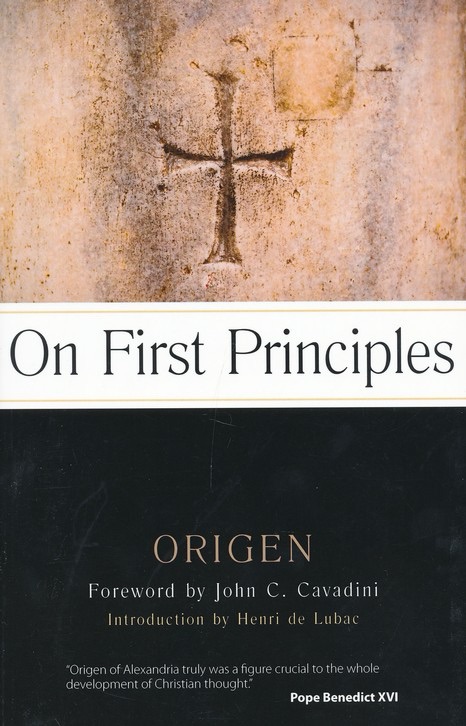
6. On First Principles by Origen

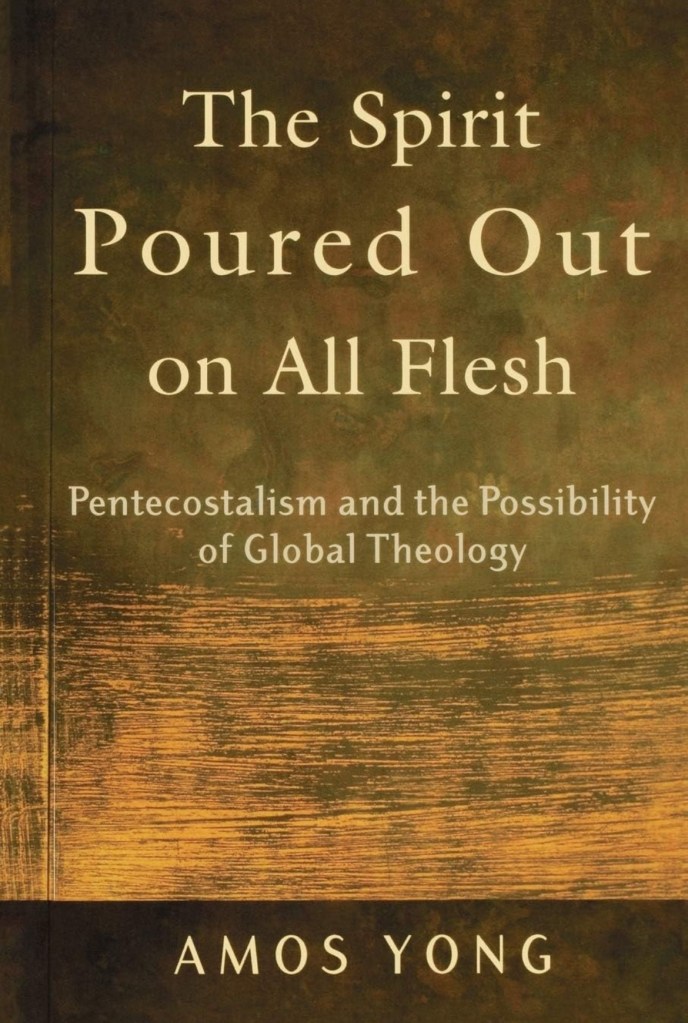
7. The Spirit Poured Out on All Flesh: Pentecostalism and the Possibility of Global Theology by Amos Yong

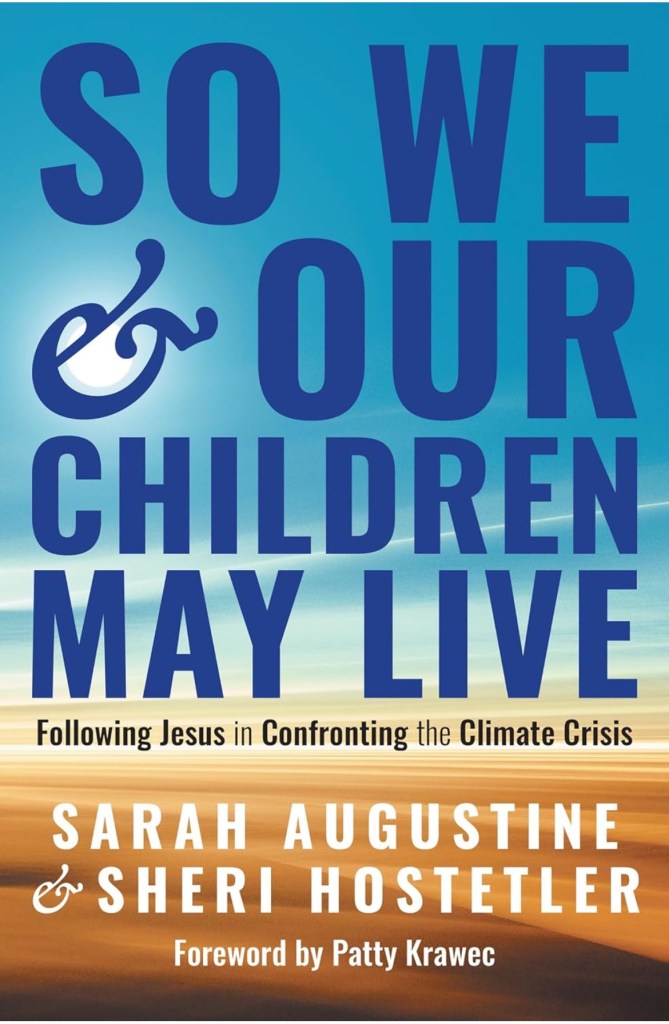
8. So We and Our Children May Live: Following Jesus in Confronting the Climate Crisis by Sarah Augustine

9. Harrow the Ninth by Tamsyn Muir

10. Theology in the Capitalocene: Ecology, Identity, Class, and Solidarity by Joerg Rieger

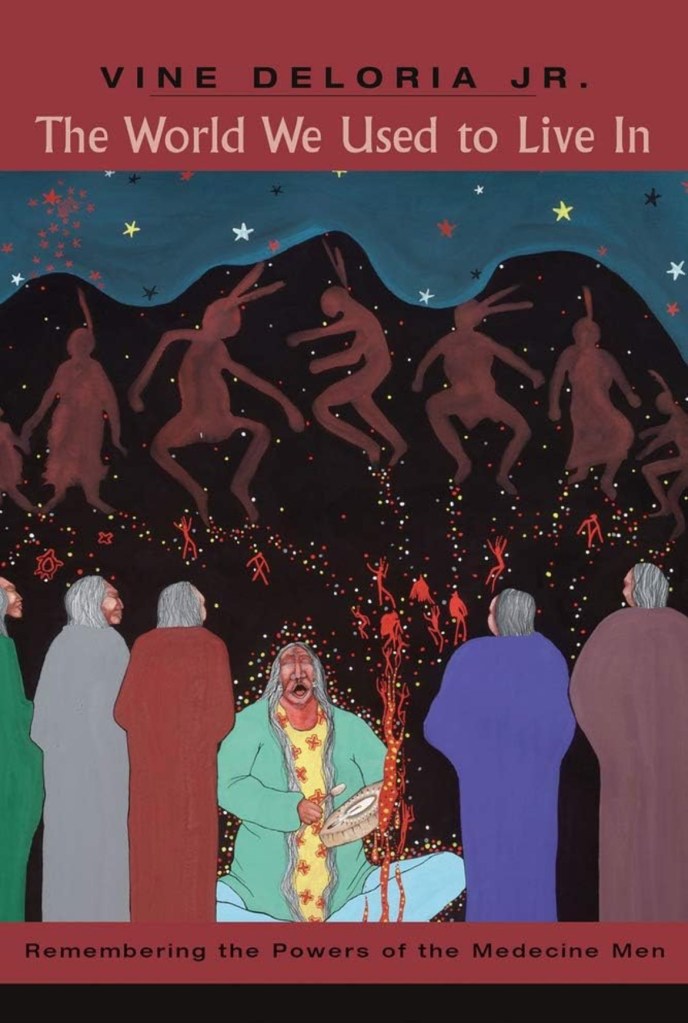
11. The World We Used to Live In: Remembering the Powers of the Medicine Men by Vine Deloria Jr.

night scene milky way background

Merry Christmas! Tis
the season of love and hope –
mindful of the trials
and tribulations of now –
and those yet to come –
but joyful that we are not
alone – God with us!

Love-Rooted Faith and Hope: A Message for Resisting Despair

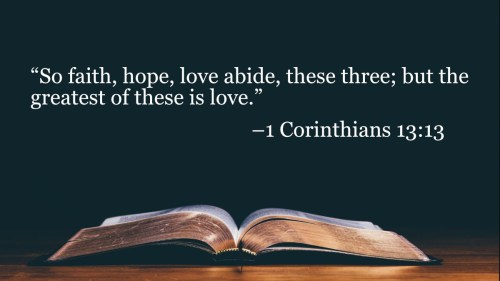
“And now faith, hope, and love remain, these three, and the greatest of these is love” (1 Corinthians 13:13).

I hear much about faith and hope these days from Christians to celebrate Trump’s victory, or to silence those despairing the results. But what is meant by faith and hope in these messages? One message a proclamation of salvific victory in a deeply flawed human being, and one a bludgeon to silence those who disagree. For me, the answer is found in “the greatest of these:” Love. How must we center love to resist cheap hope and false faith? 

“We are afflicted in every way but not crushed, perplexed but not driven to despair, persecuted but not forsaken, struck down but not destroyed, always carrying around in the body the death of Jesus, so that the life of Jesus may also be made visible in our bodies” (2 Corinthians 8-10).

As we explore what faith and hope rooted in love means, it is first important to note that God commands us away from despair. This is the current struggle of my own heart-faith work. However, it is clear to me that I can be perplexed and mournful, but not giving into despair.

Faith and hope are critical to resisting despair.

“I give you a new commandment, that you love one another. Just as I have loved you, you also should love one another. By this everyone will know that you are my disciples, if you have love for one another” (John 13:34-35).

After washing his disciples’ feet, a non-hierarchical and countercultural activity of humility and service, and also sharing a meal with his disciples, Jesus gives the commandment to love one another. This love is an action, a lifestyle, a way of being, that is observable and has a communal impact.

Washing feet as humble service; Eating together as fellowship and community building. These are the actions of love that Jesus is calling us into. And this active/communal love is the root of hope and faith.

Hope and face are not excuses to be passive and to ignore the suffering of humans and creation around us. Hope and faith that bare such fruits are cheap and fake. Hope and faith that bare fruits of harm and domination are evil and anti-Christ.

Love-rooted-Faith is the belief in God’s promise of peace and well-being for all creation.

Love-rooted-Hope is the state of being that washes over us from faith.

And Love, the very Being of God, is the source of divine strength that urges us into communal action based on faith and hope. Communal action that co-creates with God the promise of peace and well-being for all creation. God’s one day fully realized Kin-dom.

This day has not yet come. The dominating, violent, exclusionary, deceitful, and blasphemous promises of Trump will make the realization of that day harder.

But I refuse to despair. Love-rooted-Faith and Love-rooted-Hope, I must. For “God’s love has been poured into our hearts through the Holy Spirit that has been given to us” (Romans 5:5).

I am not alone. We are not alone. God is with us. And we are called into action based on this love-rooted faith and hope to fight for the well-being of all people and creation.

May we make it so.

Amen.

Christians & Politics: A Prayer of Lament and a Prayer of Hope

Weave

Christians on political “sides” subscribe to a binary and oppositional understanding of our faith and political engagement that causes separation, harm, and idolatry.

Republicans, especially in the new Trump era, have increasingly synthesized salvific hope and politics toward a Divine King/Strong-Man Nationalism theology. This is problematic since Christ brought salvation in a way antithetical to cultural/political power, control, and exclusion. Instead, he offered preferential and tangible hope for the oppressed/marginalized. He frequently challenged, and even condemned, the power players perpetuating inequality. Ascribing divine privilege to a power-player, like Trump, toward the ends of Christian nationalist control, is idolatry.

On the flipside, Democrats often want to silence faith-led conviction in the polis, falsely believing that a true separation of faith/politics, public/private, secular/sacred is possible. This leads to an idolatry of law, legal systems, and political figures as the sites of salvation and hope.

Christians must be constantly self-reflective and challenge ourselves away from the allure of false-hopes within these camps. Our salvation is in Christ. The gospel message leads us to discern and question all powers that exist if their outcomes are not equivalent to the criteria of Christ’s ministry pronouncement of Luke 4:14-30, or the fruit of the Spirit in Galatians 5:22-23.

Neither party does this. There is no easy-answer to the challenge of discerning and voting with our conscience based on these faith-based criteria. Consequently, no party should have our faith and devotion. No PAC or politically activated denominational or faith-based political platform should have our faith and devotion. No nation or national symbol should have our faith and devotion. No power, system, or institution of humankind should have our faith and devotion. Only the gospel message of Jesus Christ, which commands us to love God and our neighbor as ourselves (Mark 12:30-31), and the subsequent discernment and action of the Holy Spirit in our individual and communal lives, should have our faith and devotion. All else is idolatry. Idolatry that leads to hate and violence in our hearts (and sometimes actions) toward others not like us, or those who hold different values. God clearly warns against this in Matthew 5:43-48.

As the divisive and violent party-driven rhetoric amps up in the next few months, I pray that I, and all of us who follow Christ, remember this counter-cultural message. I pray that we strive to be presences of mediation and love during these volatile times. May the gospel message that we proclaim and live-out be good news for all, not for some. May our words, actions, and lives point to God’s peaceable kingdom on Earth now, as it is in heaven.

We CAN do all things through Christ who strengthens us.

Amen.

Grant’s 10 Favorite Books of 70 Read in 2023!

1. When the Light of the World Was Subdued, Our Songs Came Through: A Norton Anthology of Native Nations Poetry, edited by Joy Harjo, with LeAnne Howe and Jennifer Elise Foerster

2. Poet, the Warrior, the Prophet, by Rubem Alves

3. Decolonial Christianities: Latinx and Latin American Perspectives, edited by Raimundo Barreto and Roberto Sirvent

4. Reading and Writing the Lakota Language, by Albert White Hat Sr.

5. Healing Haunted Histories: A Settler Discipleship of Decolonization, by Elaine Enns and Ched Myers

6. Galatians: A Theological Commentary on the Bible, by Nancy Elizabeth Bedford

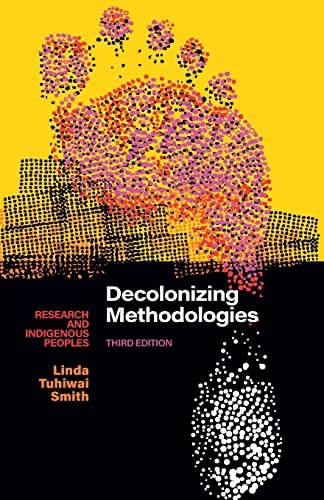
7. Decolonizing Methodologies: Research and Indigenous Peoples, by Linda Tuhiwai Smith

8. Complaint!, by Sara Ahmed

9. Faith and Freedom in Galatia and Senegal: The Apostle Paul, Colonists and Sending Gods, by Aliou Cissé Niang

10. Trading Futures: A Theological Critique of Financialized Capitalism, by Filipe Maia

Book Review: “So We and Our Children May Life: Following Jesus in Confronting the Climate Crisis” by Sarah Augustine and Sheri Hostetler

I recently had the opportunity to read and write the study guide for Sarah Augustine and Sheri Hostetler’s new book, So We and Our Children May Live: Following Jesus in Confronting the Climate Crisis. You can find the study guide on this website under the “S” titles: https://heraldpress.com/study-guides/. Reading this text was both a challenge and an inspiration. As Patty Krawec states in the forward, “In addition to laying out the stark realities of our circumstances, Sarah and Sheri have also laid out strategies for that confrontation. Things that we can and should do, things we can and should demand” (11). Consequently, this book is a prophetic naming of the disastrous realities of the global climate crisis, while also being a practical guide for responding to this present nightmare.

Augustine and Hostetler approach this collaborative work together, bringing their full identities to bear as North Americans: Augustine as a Pueblo (Tewa) descendant and Mennonite; Hostetler as a descendant of Swiss Amish Mennonite farmers. Through this collaborative dialogic, Augustine and Hostetler name the process of confronting the climate crisis as the work of decolonization, solidarity, and survival. They strive to accomplish this work by structuring the book into three parts.

The first part contrasts the lived experiences of “Reality” versus the web of lies spun by the global extractive logic of “reality.” As Christians, Augustine and Hostetler connect “Reality” with God’s kingdom vision for the world: past, present, and future. In the second part of the book, Augustine and Hostetler interrogate popularized approaches to climate change through the “Green Growth” movement and reveal the deadly limitations of these initiatives. Finally, in the third part, Augustine and Hostetler propose an alternate vision of ecological justice and right relationship by providing tangible steps toward co-creating a decolonized future.

Augustine and Hostetler provide a compelling and practical case that both names Reality and offers practical steps toward co-creating a just future for all people and creation. As Augustine and Hostetler reveal, the stakes are great: “We can imagine and choose a life-sustaining, just civilization, or we can continue business as usual. Life and death. What’s good and what’s wrong. That is our choice” (26). My hope and prayer is that this book, and the discussions sparked by it through conversations, reading groups, and study-guide engagement, can lead us toward action in choosing life. Amen.

Happy Fourth of July

Be grateful for what you have,

they say.

Okay.

I’m grateful for my marriage

with my husband.

But many folks across the country,

emboldened with power,

want to rip our marriage apart,

calling our love unconstitutional,

along with many other nasty

words, phrases, and threats.

Seeking the goal of allowing

states to make our union illegal,

or perhaps a full-fledged federal ban.

So I’ll be grateful for what I have,

as I’ve been told,

before it all gets legislated away.

Happy Fourth of July

Preparation Prayer

Lord,

prepare my ears to hear the suffering

shield my heart to not take on that pain

warm my soul toward genuine empathy

enliven my mind to interpret and translate

and sharpen my tongue to speak the wisdom

of Your Holy Spirit

Amen.

‘Nature Poem’ by Tommy Pico Review

www.goodreads.com/book/show/32311036

“NDN teens have the highest rate of suicide of any population group in America. A white man can massacre 9 black ppl in a church and be fed Burger King by the cops afterward. A presidential candidate gains a platform by saying Mexican immigrants are murdered and rapists

It’s hard for me to imagine curiosity [in America] as anything more than a pretext for colonialism” (Tommy Pico, ‘Nature Poem,’ 40).

“Look, I’m sure you really do just want to wear those dream catcher earrings. They’re beautiful. I’m sure you don’t mean any harm, I’m sure you don’t really think abt us at all. I’m sure you don’t understand the concept of off-limits. But what if by not wearing a headdress in yr music video or changing yr damn mascot and perhaps adding .05% of personal annoyance to yr life for the twenty minutes it lasts, the 103 young ppl who tried to kill themselves on the Pine Ridge Indian reservation over the past four months wanted to live 50% more” (Tommy Pico, ‘Nature Poem,’ 56).

Jesus Commands us to Put Down Our Weapons and Idolatry of Violence

“Jesus said to Judas, ‘Friend, do what you are here to do.’ Then the crowd with swords and clubs came and laid hands on Jesus and arrested him. Suddenly, one of those with Jesus put his hand on his sword, drew it, and struck the slave of the high priest, cutting off his ear. Then Jesus said to him, ‘Put your sword back into its place; for all who take the sword will perish by the sword’” (Matthew 26:50-52).

Jesus never condoned physical harm, violent retribution, or revenge.

In fact, Jesus was diametrically opposed to violence because it is antithetical to God’s holy nature and design for humanity/creation.

As the Rittenhouse verdict has shown us, once again, we live in a society and Justice-lacking ‘justice’ system that prioritizes power maintenance, white supremacy, and vigilante violence over human life and flourishing.

It is clear that our hope cannot be in the systems and structures of humanity, but in God alone.

Jesus commands us to put down our weapons and idolatry of violence, lest we all perish by that very sword.

Just as Jesus, Christians must stand for human life. For the flourishing of all creation. For God’s kingdom here, on Earth, as it is in Heaven.

Lord, give us courage, hope, and love in the face of great evil and despair. In your mercy and strength, may your will be done through us, Amen.