The Top 11/80 Books Grant Read in 2024

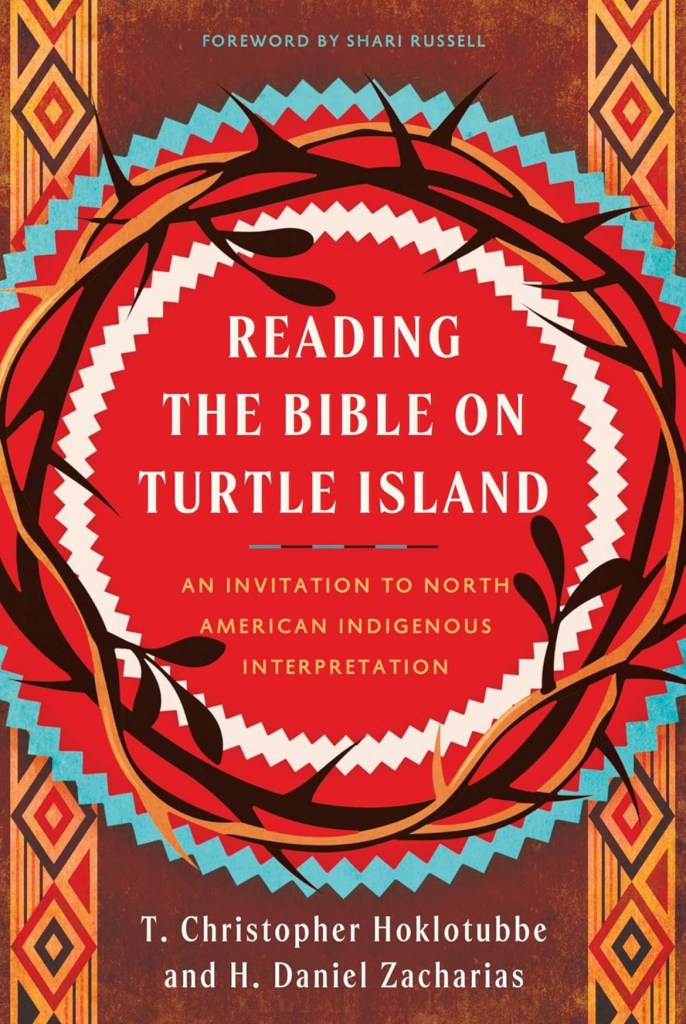
Screenshot

1. Tomorrow, and Tomorrow, and Tomorrow by Gabrielle Zevin

2. Never Whistle at Night: An Indigenous Dark Fiction Anthology by Shane Hawk

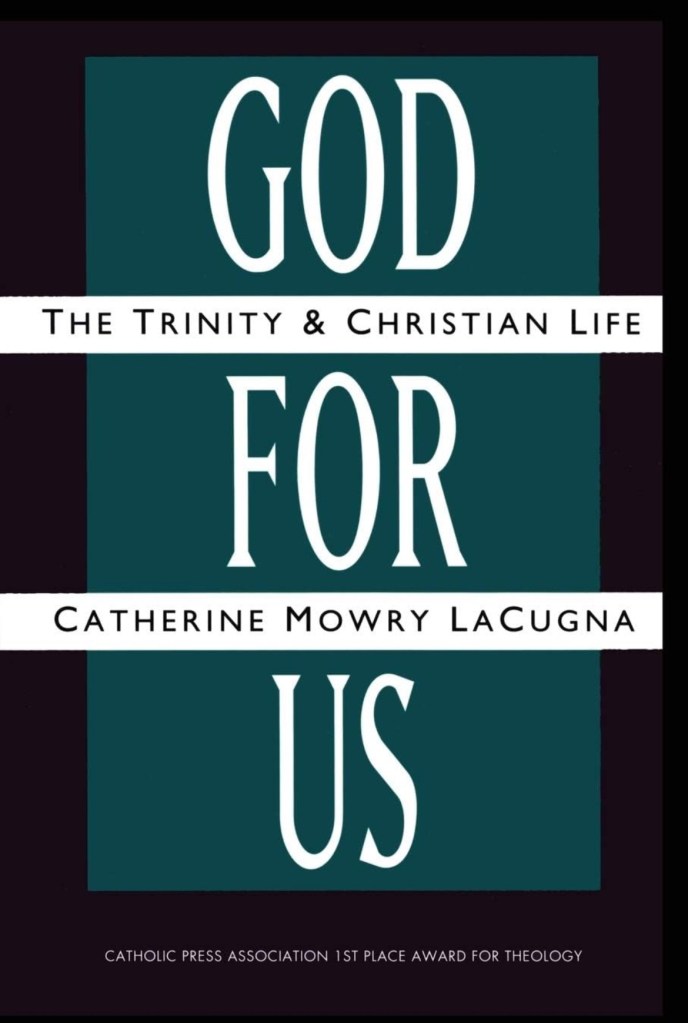
3. God for Us: The Trinity and Christian Life by Catherine Mowry Lacugna

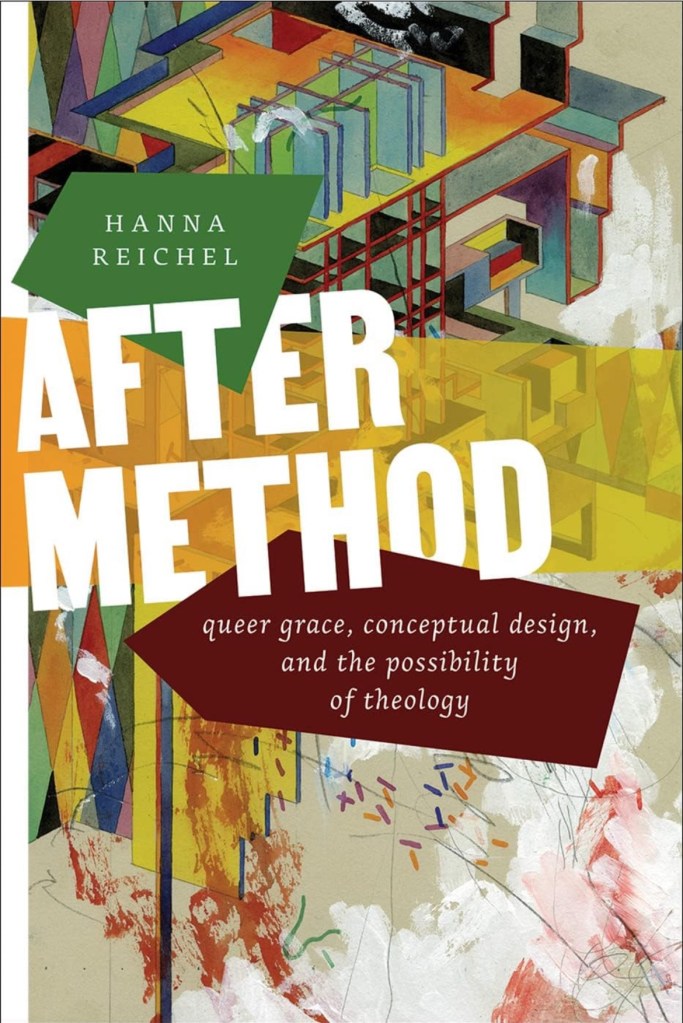
4. After Method: Queer Grace, Conceptual Design, and the Possibility of Theology by Hanna Reichel

5. The Development of the Doctrine of the Holy Spirit in the Yoruba (African) Indigenous Christian Movement by Caleb Oluremi Oladipo

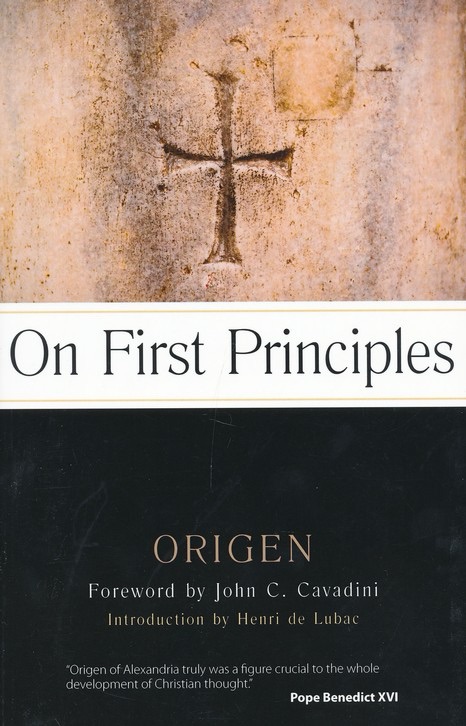
6. On First Principles by Origen

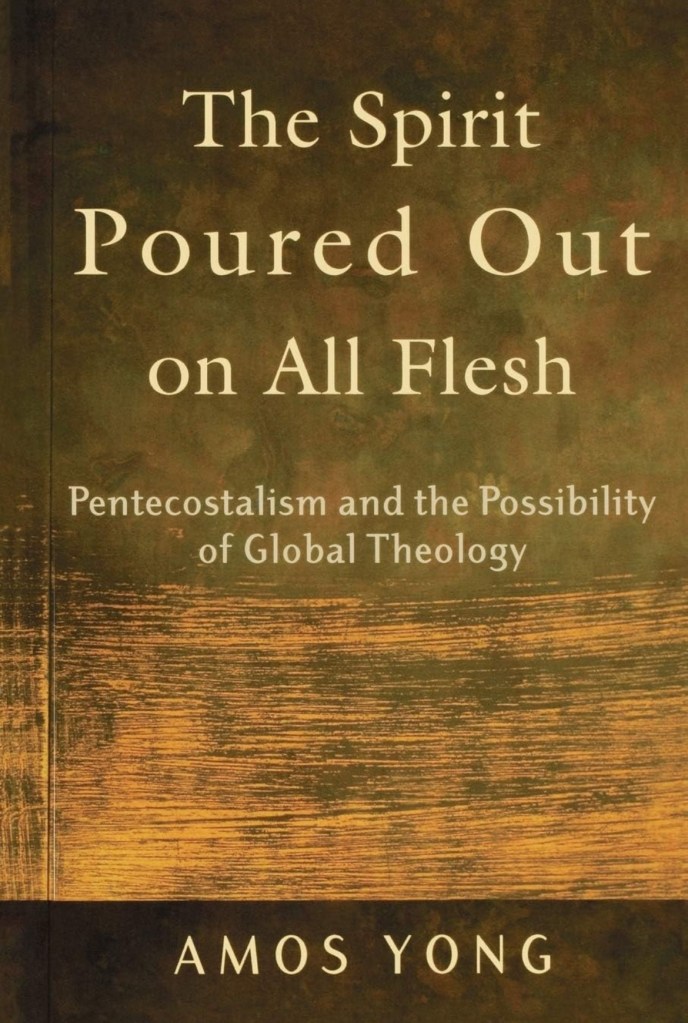
7. The Spirit Poured Out on All Flesh: Pentecostalism and the Possibility of Global Theology by Amos Yong

8. So We and Our Children May Live: Following Jesus in Confronting the Climate Crisis by Sarah Augustine

9. Harrow the Ninth by Tamsyn Muir

10. Theology in the Capitalocene: Ecology, Identity, Class, and Solidarity by Joerg Rieger

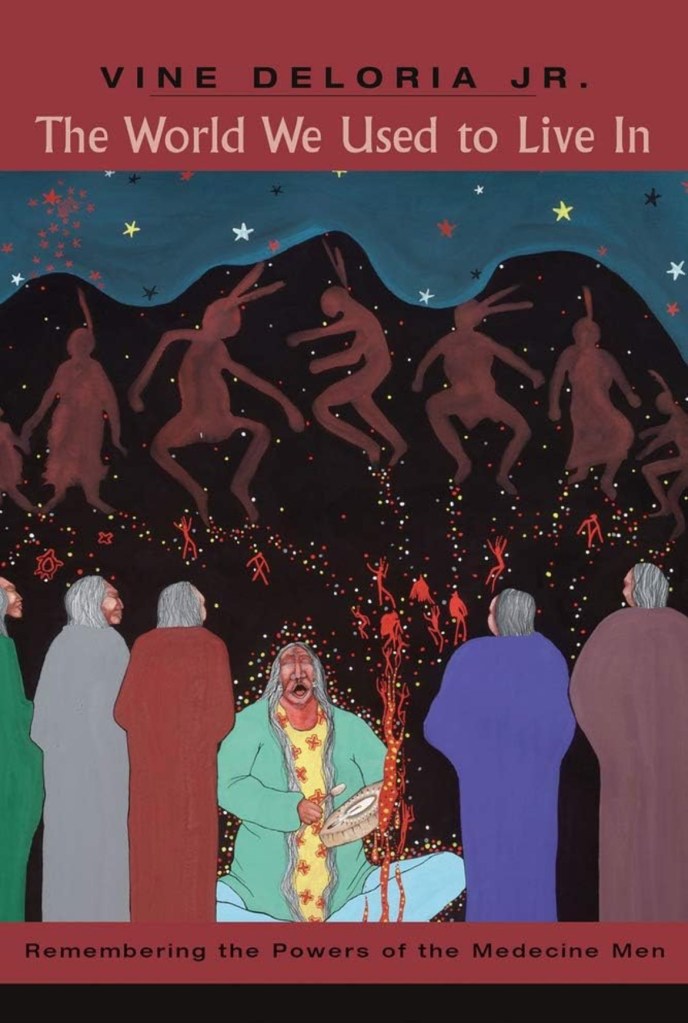
11. The World We Used to Live In: Remembering the Powers of the Medicine Men by Vine Deloria Jr.

Book Review: “So We and Our Children May Life: Following Jesus in Confronting the Climate Crisis” by Sarah Augustine and Sheri Hostetler

I recently had the opportunity to read and write the study guide for Sarah Augustine and Sheri Hostetler’s new book, So We and Our Children May Live: Following Jesus in Confronting the Climate Crisis. You can find the study guide on this website under the “S” titles: https://heraldpress.com/study-guides/. Reading this text was both a challenge and an inspiration. As Patty Krawec states in the forward, “In addition to laying out the stark realities of our circumstances, Sarah and Sheri have also laid out strategies for that confrontation. Things that we can and should do, things we can and should demand” (11). Consequently, this book is a prophetic naming of the disastrous realities of the global climate crisis, while also being a practical guide for responding to this present nightmare.

Augustine and Hostetler approach this collaborative work together, bringing their full identities to bear as North Americans: Augustine as a Pueblo (Tewa) descendant and Mennonite; Hostetler as a descendant of Swiss Amish Mennonite farmers. Through this collaborative dialogic, Augustine and Hostetler name the process of confronting the climate crisis as the work of decolonization, solidarity, and survival. They strive to accomplish this work by structuring the book into three parts.

The first part contrasts the lived experiences of “Reality” versus the web of lies spun by the global extractive logic of “reality.” As Christians, Augustine and Hostetler connect “Reality” with God’s kingdom vision for the world: past, present, and future. In the second part of the book, Augustine and Hostetler interrogate popularized approaches to climate change through the “Green Growth” movement and reveal the deadly limitations of these initiatives. Finally, in the third part, Augustine and Hostetler propose an alternate vision of ecological justice and right relationship by providing tangible steps toward co-creating a decolonized future.

Augustine and Hostetler provide a compelling and practical case that both names Reality and offers practical steps toward co-creating a just future for all people and creation. As Augustine and Hostetler reveal, the stakes are great: “We can imagine and choose a life-sustaining, just civilization, or we can continue business as usual. Life and death. What’s good and what’s wrong. That is our choice” (26). My hope and prayer is that this book, and the discussions sparked by it through conversations, reading groups, and study-guide engagement, can lead us toward action in choosing life. Amen.

Review of ‘Indigenous Theology and the Western Worldview: A Decolonized Approach to Christian Doctrine’ by Dr. Randy Woodley

https://link.growkudos.com/1m8wk8nxxq8

This article I wrote for Wiley Author Services provides a brief summary of Dr. Randy Woodley’s text, ‘Indigenous Theology and the Western Worldview: A Decolonized Approach to Christian Doctrine.’ The review can be a helpful resource if you are trying to decide if you want to read this text. Dr. Woodley’s text is helpful if you are curious about the juxtaposition and mutual learnings between Indigenous Theology and a Western Worldview or decolonial approaches to Christian Doctrine.

Book Review: ‘Becoming Rooted: One Hundred Days of Reconnecting with Sacred Earth’ by Randy Woodley

https://www.goodreads.com/book/show/58495625-becoming-rooted

Keetoowah Band Cherokee activity, author, and theologian Rev. Dr. Randy Woodley has crafted this brilliant 100 day devotional for people to connect with their faith more deeply by finding ways to become more rooted in the Sacred Land from which we came, the Land on which we live, and the Land to which we will return.

Each day starts with a short quote from an important figure to help calm our minds and prepare for the day’s reflection. Next comes a 2-3 page reflection on humanity, the land, and/or the living beings around us and how we can become more deeply connected with all creation. Finally, each day ends with a call to action, further reflection, or meditation. This enables folks to extend the learnings of the day into more rigorous/in-path/tangible ways throughout the day, as they are able. The book is divided into 10 thematic sections with 10 deviations each. It is a wonderful journey of reflection, discovery, and connection.

One of the most powerful outcomes of this book is how I was challenged to connect with my family’s cultural roots in deeper and more intentional ways through history, food, and cultural practices. Not only is this important for my own growth and learning as a vital part of my family, but also to challenge the pitfalls of white supremacy that force white folks to give up all cultural specificity for the privileges of supremacy and uniformness. As a result, this intentional work is vital for white folks to regain specificity, resist the uniformness of white supremacy, and learn how to be solidarity conspirators with our non-white siblings and all of creation.

This book is a powerful meditative tool for personal growth and reflection that leads to tangible communal outcomes and solidarity. Invest in this journey or reconnection with Sacred Earth today!

‘Becoming Rooted: One Hundred Days of Reconnecting with Sacred Earth,’ Rev. Dr. Randy Woodley

One of my goals for 2021 is to be more intentional in immersing my heart, mind, and soul in transformative teachings from folks outside my own experiences/perspectives.

I’m thrilled to be starting this 100 day journey of spiritual reflection with our Creator God through ‘Becoming Rooted: One Hundred Days of Reconnecting with Sacred Earth,’ the new book from brilliant theologian, farmer, activist, and scholar Rev. Dr. Randy Woodley.

I invite you to consider joining me in this 100 day journey and order Rev. Dr. Woodley’s new book today: https://www.broadleafbooks.com/store/product/9781506471174/Becoming-Rooted

Tommy Pico’s ‘IRL’

www.goodreads.com/book/show/30968235

“I recoil

at we. Now we

know; We feel love

when; We believed

the Earth was flat

until; We stir with

heavy feeling bc…

I wipe my muddy feet

on the loveseat of We

unless I’m talking

about you and me.

Kumeyaays knew

a rounded Earth based

on the curve of stars

or didn’t, I’ll never know.

It’s a dark part inside me.

Books are fallible, towers

of letters with the power

you give them. It’s heartbreaking

to watch your pillars fall

Watch the crops dry up

and die House set on fire Forced

to dig up yr dead To. Literally.

Dig. Up. The. Old. Graveyard.

n move w/them onto a stone hill

where nothing that grows

can live. Penned in like cattle.

Approaching scientism,

universalism, a supremacy

of any given thought

process—strikes me A

hammer of dark spots. America

never intended for me to live

So that we never intended

to include me”

(Tommy Pico, ‘IRL,’ 70).

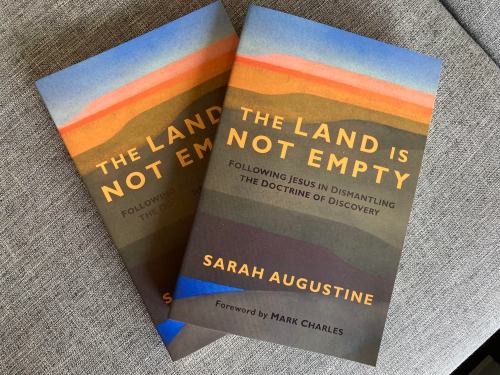
Study Guide for ‘The Land is Not Empty: Following Jesus in Dismantling the Doctrine of Discovery’ by Sarah Augustine

The Study Guide I wrote for Sarah Augustine’s incredible book, ‘The Land is Not Empty: Following Jesus in Dismantling the Doctrine of Discovery,’ is officially available online: https://heraldpress.com/wp-content/uploads/2021/06/The-Land-Is-Not-Empty-study-guide.pdf

Purchase a copy of Augustine’s book today: https://heraldpress.com/books/the-land-is-not-empty/

‘Goodreads’ review for ‘The Land is Not Empty: Following Jesus in Dismantling the Doctrine of Discovery’ by Sarah Augustine

https://www.goodreads.com/book/show/55404509-the-land-is-not-empty

I had the honor and privilege to read 'The Land is Not Empty: Following Jesus in Dismantling the Doctrine of Discovery' by Sarah Augustine in advance and write a study guide for it. My life has been richly blessed by what Sarah Augustine teaches in this text and I highly recommend everyone read it!

First, Augustine spends some time defining the Doctrine of Discovery, both academically/historically and with personal/practical examples. If the title feels daunting because you are not familiar with the Doctrine of Discovery, never fear, Augustine will take the time to catch you up.

Second, Augustine takes care to elaborate her personal context and how that situates her within the work of Indigenous sovereignty and dismantling the Doctrine of Discovery. Through this contextual testimony, Augustine invites us into our own contextual work.

Third, Augustine documents and details her journey in solidarity and repair work through experiential examples. She challenges us to challenge, expand, redefine, and act upon solidarity and repair work in community together, being attentive to who is, and who isn’t, at the table.

Fourth, Augustine drives home the essential work and call upon Christians and the Church to be at the forefront of dismantling the doctrine of discovery and solidarity and repair work. Augustine invites us to interrogate our theology, our investments, our mindsets, how we spend/use our money/property, and challenges us to truly follow a ‘Jesus Way’ in our solidarity and repair work.

Part of this work is aided by Augustine’s detailed explanation of cosmologies and theologies from Indigenous lenses. White settlers/dominant culture are invited to recognize our blind spots, our idols, and our agency to be actively invoked in solidarity and repair work with indigenous communities. Dismantling the Doctrine of Discovery starts in our personal lives, in our churches, and in our community politics/social work.

Finally, solidarity and repair work is active, ongoing, and relational. White settler/dominant western culture loves easy/symbolic gestures. However, solidarity and repair work is the ongoing choice of actively stepping out of the comfort of white supremacy and dominant western culture to be in relationship and resistance with oppressed communities. It is action. It is relationship. It is ongoing. And it demands that we rethink all mindsets and beliefs we take for granted. This is the work of solidarity and repair. This is the work of dismantling the doctrine of discovery. And Augustine lays all of this out in a powerful, relatable, and convicting way.

Start the work of solidarity and repair today by grabbing this book, hunkering down, and getting ready to start the journey of dismantling the Doctrine of Discovery with Sarah Augustine as your initial guide.