Grant’s 6 Favorite Books of 2025

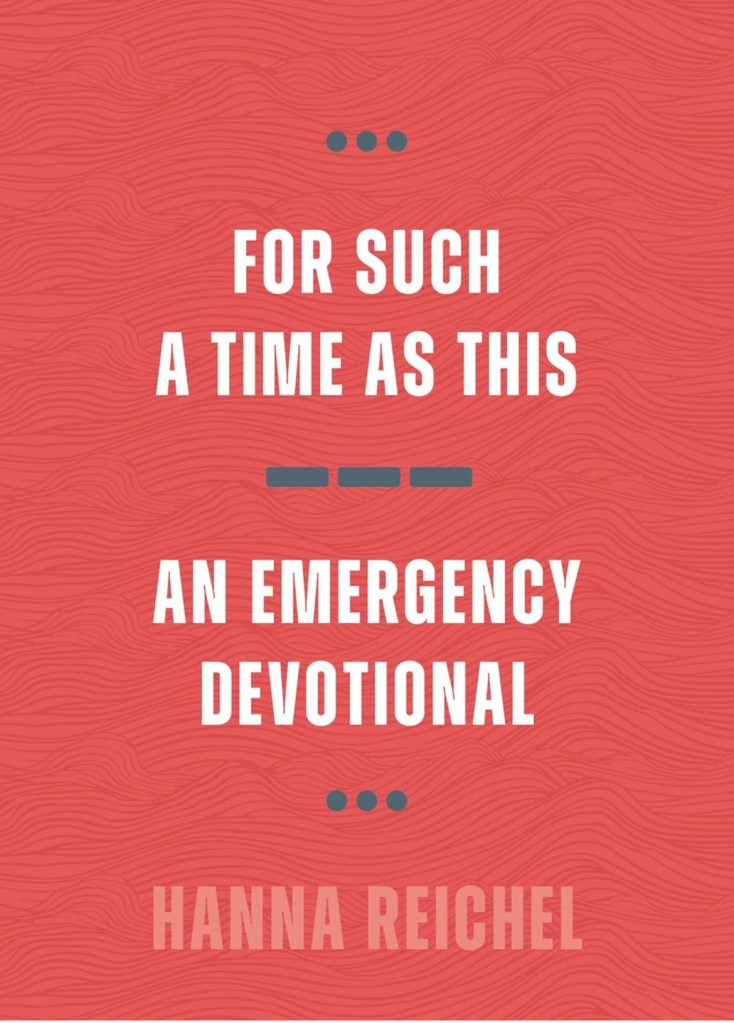
1. Best Practical Devotional: For Such a Time as This: An Emergency Devotional by Hanna Reichel
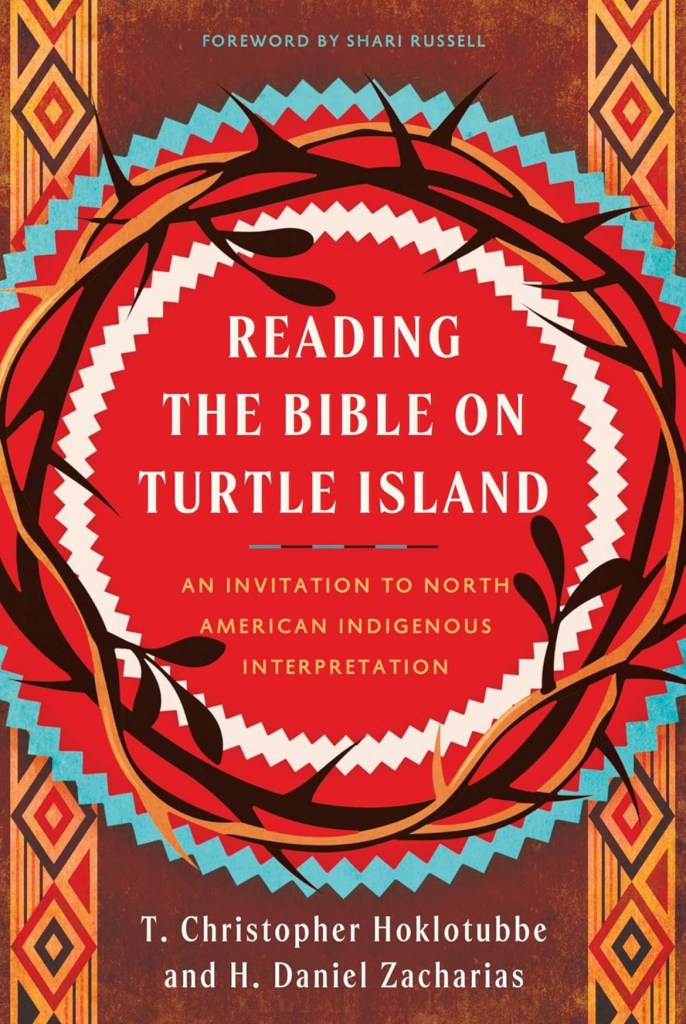
2. Best Scripture Interpretation Text: Reading the Bible on Turtle Island: An Invitation to North American Indigenous Interpretation by H. Daniel Zacharias and T. Christopher Hoklotubbe
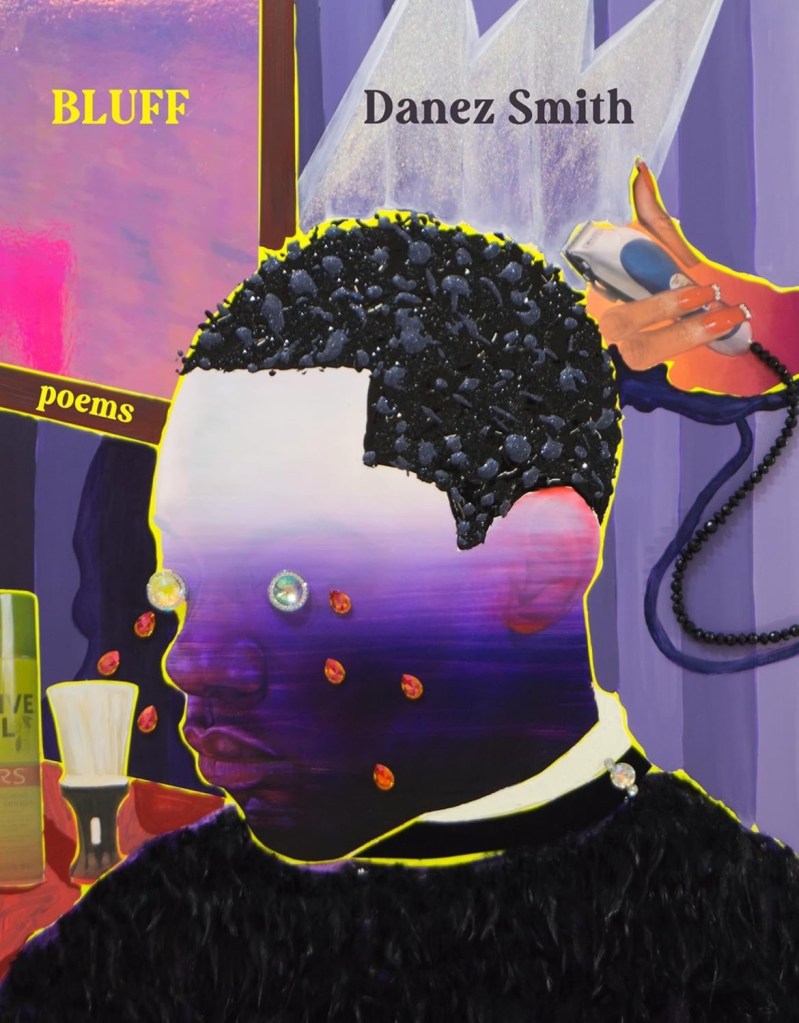
3. Best Book of Poetry: Bluff: Poems by Danez Smith
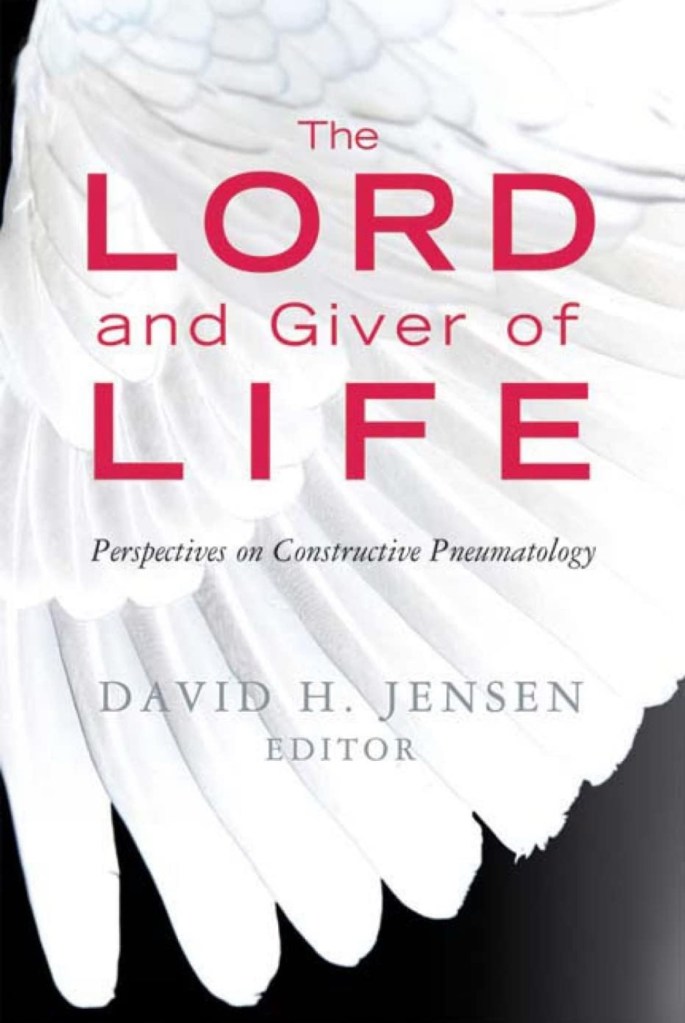
4. Best Collection of Essays: The Lord and Giver of Life: Perspectives on Constructive Pneumatology edited by David H. Jensen
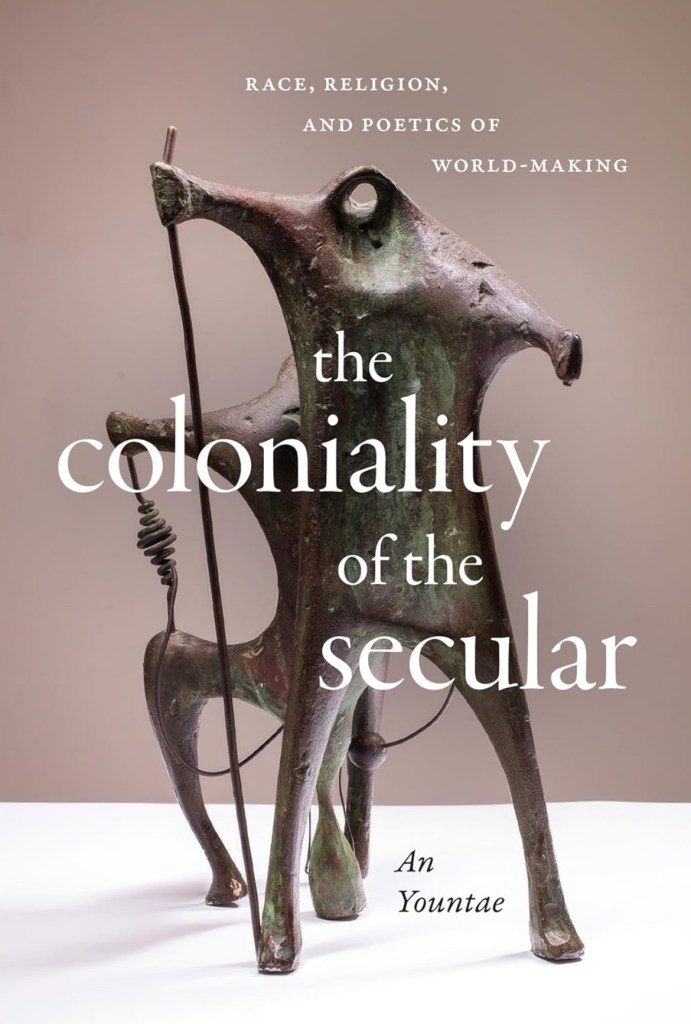
5. Best Academic Text: The Coloniality of the Secular: Race, Religion, and Poetics of World-Making by An Yountae
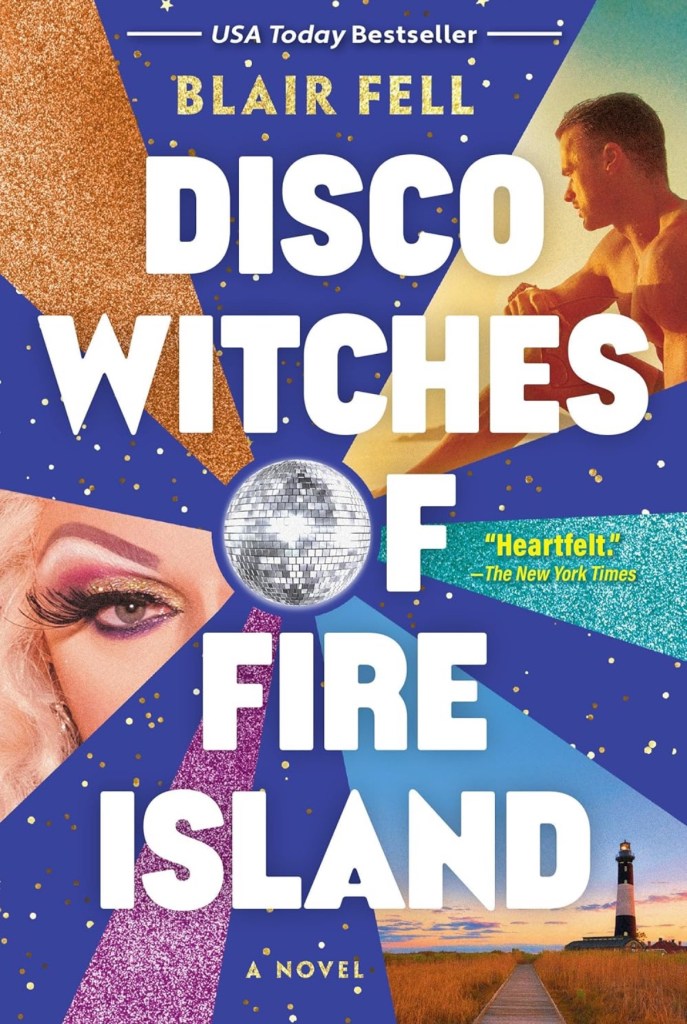
6. Best Fun Novel: Disco Witches of Fire Island: A Novel by Blair Fell
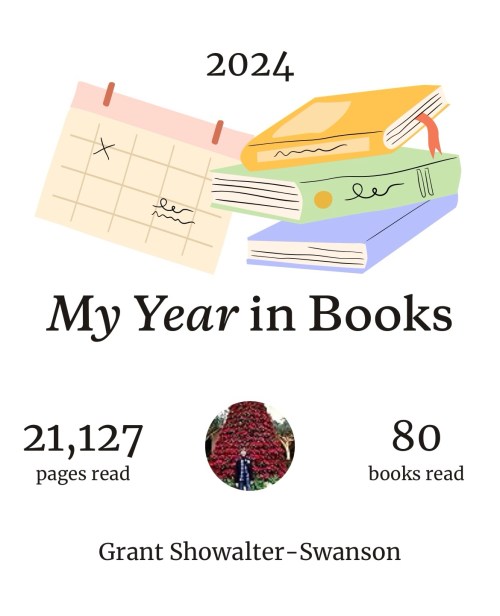
The Top 11/80 Books Grant Read in 2024

Screenshot

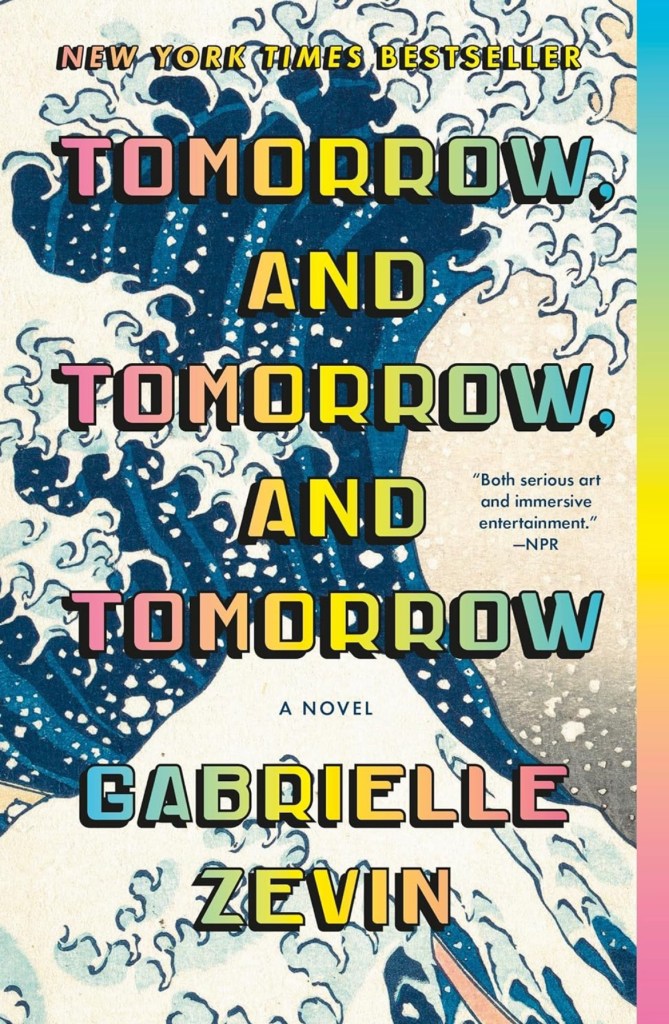
1. Tomorrow, and Tomorrow, and Tomorrow by Gabrielle Zevin

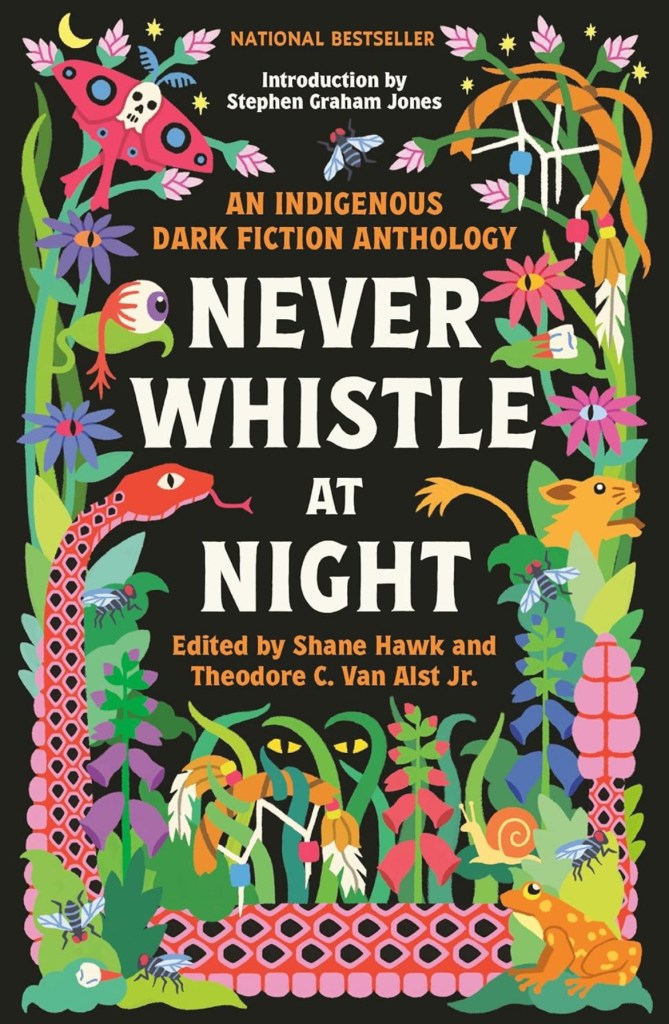
2. Never Whistle at Night: An Indigenous Dark Fiction Anthology by Shane Hawk

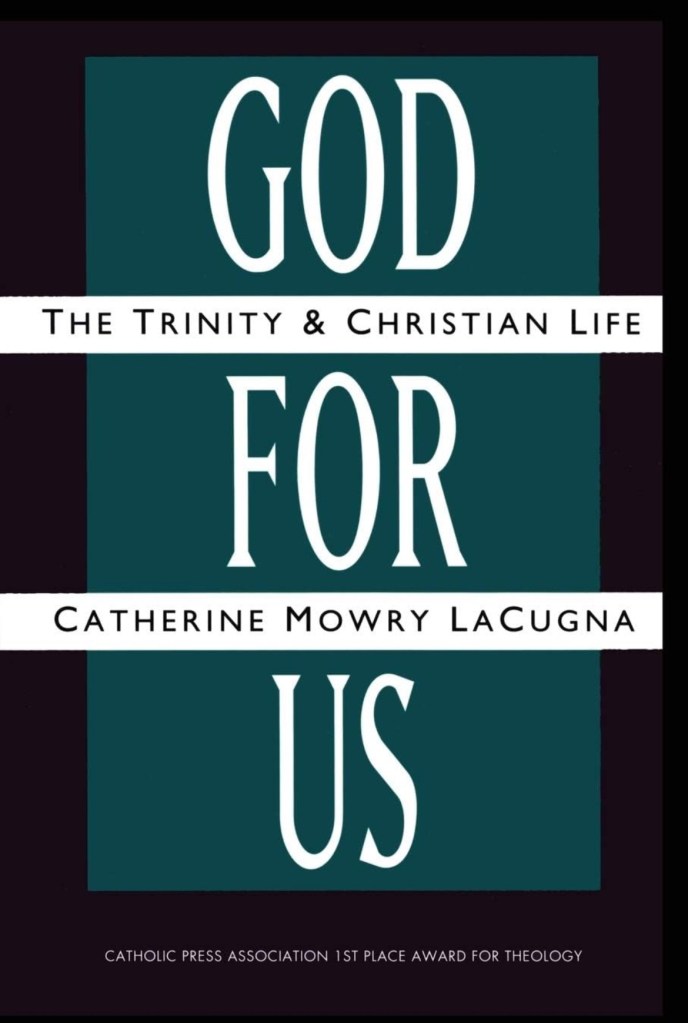
3. God for Us: The Trinity and Christian Life by Catherine Mowry Lacugna

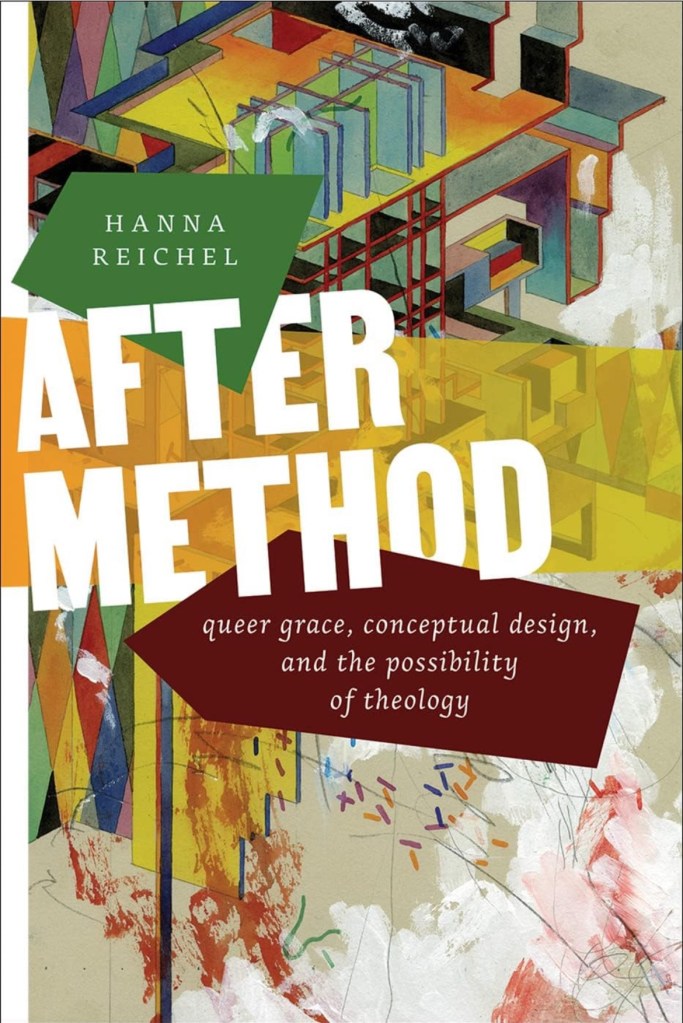
4. After Method: Queer Grace, Conceptual Design, and the Possibility of Theology by Hanna Reichel

5. The Development of the Doctrine of the Holy Spirit in the Yoruba (African) Indigenous Christian Movement by Caleb Oluremi Oladipo

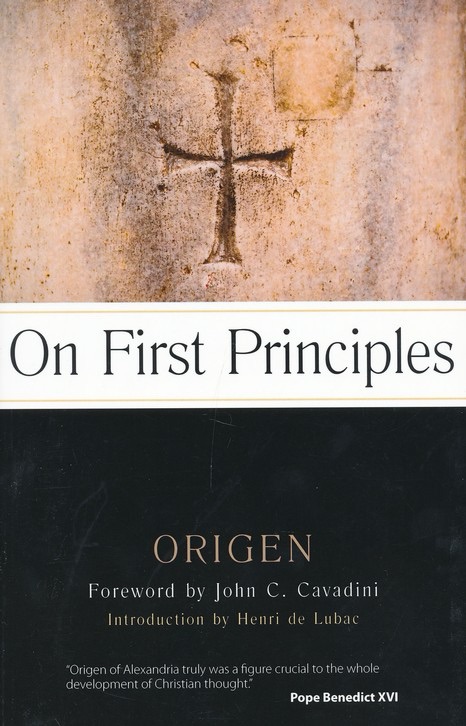
6. On First Principles by Origen

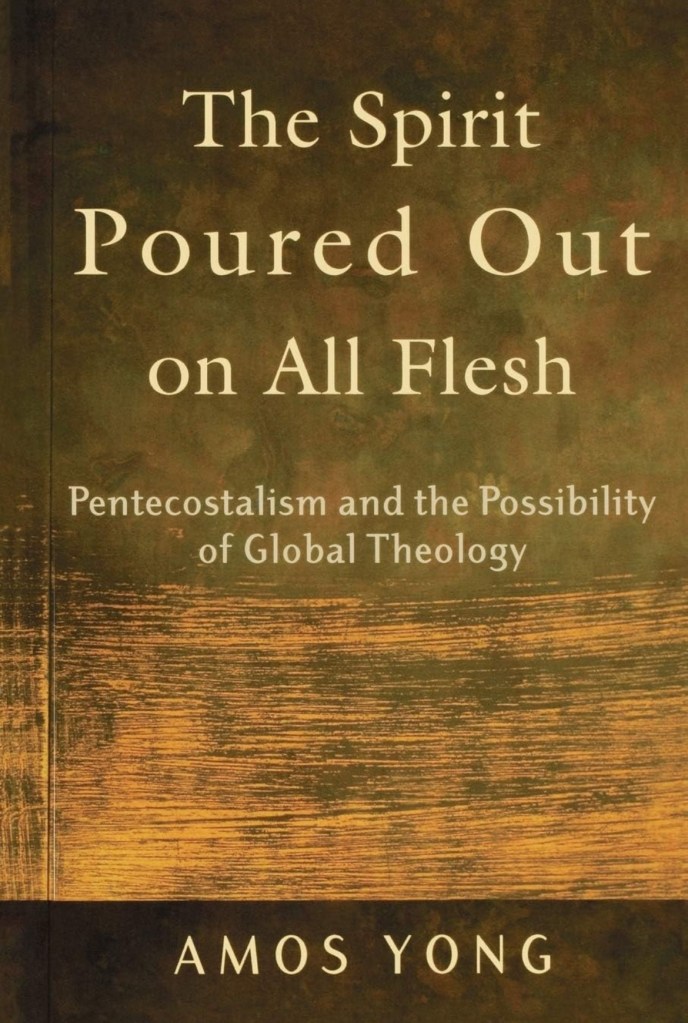
7. The Spirit Poured Out on All Flesh: Pentecostalism and the Possibility of Global Theology by Amos Yong

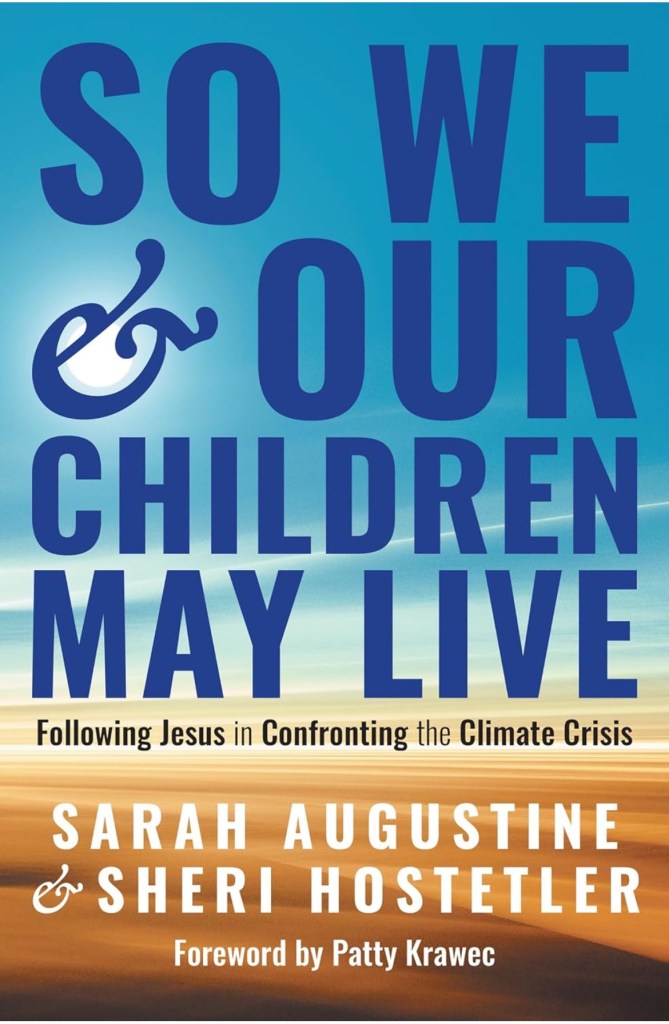
8. So We and Our Children May Live: Following Jesus in Confronting the Climate Crisis by Sarah Augustine

9. Harrow the Ninth by Tamsyn Muir

10. Theology in the Capitalocene: Ecology, Identity, Class, and Solidarity by Joerg Rieger

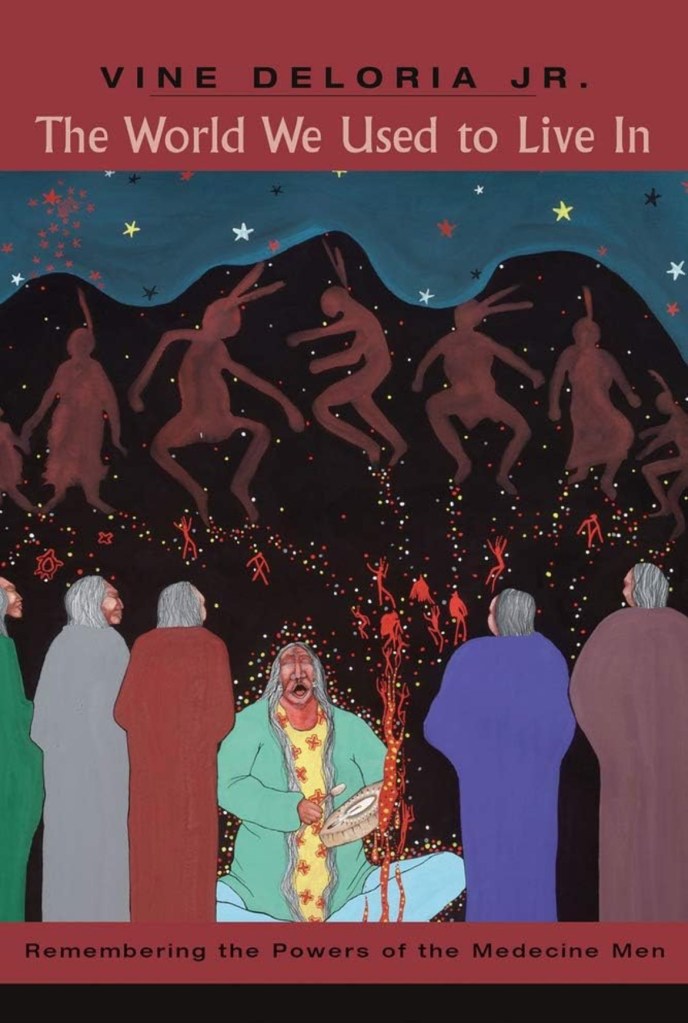
11. The World We Used to Live In: Remembering the Powers of the Medicine Men by Vine Deloria Jr.

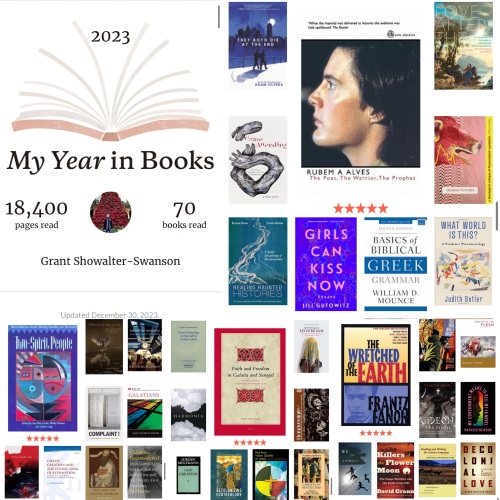
Grant’s 10 Favorite Books of 70 Read in 2023!

1. When the Light of the World Was Subdued, Our Songs Came Through: A Norton Anthology of Native Nations Poetry, edited by Joy Harjo, with LeAnne Howe and Jennifer Elise Foerster

2. Poet, the Warrior, the Prophet, by Rubem Alves

3. Decolonial Christianities: Latinx and Latin American Perspectives, edited by Raimundo Barreto and Roberto Sirvent

4. Reading and Writing the Lakota Language, by Albert White Hat Sr.

5. Healing Haunted Histories: A Settler Discipleship of Decolonization, by Elaine Enns and Ched Myers

6. Galatians: A Theological Commentary on the Bible, by Nancy Elizabeth Bedford

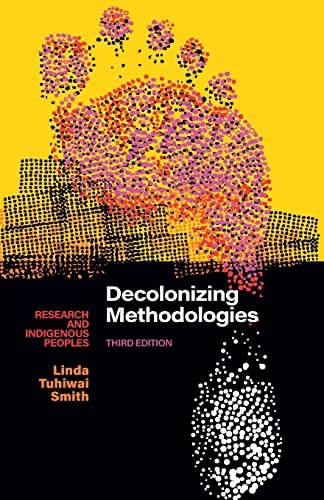
7. Decolonizing Methodologies: Research and Indigenous Peoples, by Linda Tuhiwai Smith

8. Complaint!, by Sara Ahmed

9. Faith and Freedom in Galatia and Senegal: The Apostle Paul, Colonists and Sending Gods, by Aliou Cissé Niang

10. Trading Futures: A Theological Critique of Financialized Capitalism, by Filipe Maia

Book Review: “So We and Our Children May Life: Following Jesus in Confronting the Climate Crisis” by Sarah Augustine and Sheri Hostetler

I recently had the opportunity to read and write the study guide for Sarah Augustine and Sheri Hostetler’s new book, So We and Our Children May Live: Following Jesus in Confronting the Climate Crisis. You can find the study guide on this website under the “S” titles: https://heraldpress.com/study-guides/. Reading this text was both a challenge and an inspiration. As Patty Krawec states in the forward, “In addition to laying out the stark realities of our circumstances, Sarah and Sheri have also laid out strategies for that confrontation. Things that we can and should do, things we can and should demand” (11). Consequently, this book is a prophetic naming of the disastrous realities of the global climate crisis, while also being a practical guide for responding to this present nightmare.

Augustine and Hostetler approach this collaborative work together, bringing their full identities to bear as North Americans: Augustine as a Pueblo (Tewa) descendant and Mennonite; Hostetler as a descendant of Swiss Amish Mennonite farmers. Through this collaborative dialogic, Augustine and Hostetler name the process of confronting the climate crisis as the work of decolonization, solidarity, and survival. They strive to accomplish this work by structuring the book into three parts.

The first part contrasts the lived experiences of “Reality” versus the web of lies spun by the global extractive logic of “reality.” As Christians, Augustine and Hostetler connect “Reality” with God’s kingdom vision for the world: past, present, and future. In the second part of the book, Augustine and Hostetler interrogate popularized approaches to climate change through the “Green Growth” movement and reveal the deadly limitations of these initiatives. Finally, in the third part, Augustine and Hostetler propose an alternate vision of ecological justice and right relationship by providing tangible steps toward co-creating a decolonized future.

Augustine and Hostetler provide a compelling and practical case that both names Reality and offers practical steps toward co-creating a just future for all people and creation. As Augustine and Hostetler reveal, the stakes are great: “We can imagine and choose a life-sustaining, just civilization, or we can continue business as usual. Life and death. What’s good and what’s wrong. That is our choice” (26). My hope and prayer is that this book, and the discussions sparked by it through conversations, reading groups, and study-guide engagement, can lead us toward action in choosing life. Amen.

Review of ‘Indigenous Theology and the Western Worldview: A Decolonized Approach to Christian Doctrine’ by Dr. Randy Woodley

https://link.growkudos.com/1m8wk8nxxq8

This article I wrote for Wiley Author Services provides a brief summary of Dr. Randy Woodley’s text, ‘Indigenous Theology and the Western Worldview: A Decolonized Approach to Christian Doctrine.’ The review can be a helpful resource if you are trying to decide if you want to read this text. Dr. Woodley’s text is helpful if you are curious about the juxtaposition and mutual learnings between Indigenous Theology and a Western Worldview or decolonial approaches to Christian Doctrine.

Book Review: ‘Becoming Rooted: One Hundred Days of Reconnecting with Sacred Earth’ by Randy Woodley

https://www.goodreads.com/book/show/58495625-becoming-rooted

Keetoowah Band Cherokee activity, author, and theologian Rev. Dr. Randy Woodley has crafted this brilliant 100 day devotional for people to connect with their faith more deeply by finding ways to become more rooted in the Sacred Land from which we came, the Land on which we live, and the Land to which we will return.

Each day starts with a short quote from an important figure to help calm our minds and prepare for the day’s reflection. Next comes a 2-3 page reflection on humanity, the land, and/or the living beings around us and how we can become more deeply connected with all creation. Finally, each day ends with a call to action, further reflection, or meditation. This enables folks to extend the learnings of the day into more rigorous/in-path/tangible ways throughout the day, as they are able. The book is divided into 10 thematic sections with 10 deviations each. It is a wonderful journey of reflection, discovery, and connection.

One of the most powerful outcomes of this book is how I was challenged to connect with my family’s cultural roots in deeper and more intentional ways through history, food, and cultural practices. Not only is this important for my own growth and learning as a vital part of my family, but also to challenge the pitfalls of white supremacy that force white folks to give up all cultural specificity for the privileges of supremacy and uniformness. As a result, this intentional work is vital for white folks to regain specificity, resist the uniformness of white supremacy, and learn how to be solidarity conspirators with our non-white siblings and all of creation.

This book is a powerful meditative tool for personal growth and reflection that leads to tangible communal outcomes and solidarity. Invest in this journey or reconnection with Sacred Earth today!

‘Becoming Rooted: One Hundred Days of Reconnecting with Sacred Earth,’ Rev. Dr. Randy Woodley

One of my goals for 2021 is to be more intentional in immersing my heart, mind, and soul in transformative teachings from folks outside my own experiences/perspectives.

I’m thrilled to be starting this 100 day journey of spiritual reflection with our Creator God through ‘Becoming Rooted: One Hundred Days of Reconnecting with Sacred Earth,’ the new book from brilliant theologian, farmer, activist, and scholar Rev. Dr. Randy Woodley.

I invite you to consider joining me in this 100 day journey and order Rev. Dr. Woodley’s new book today: https://www.broadleafbooks.com/store/product/9781506471174/Becoming-Rooted

‘Nature Poem’ by Tommy Pico Review

www.goodreads.com/book/show/32311036

“NDN teens have the highest rate of suicide of any population group in America. A white man can massacre 9 black ppl in a church and be fed Burger King by the cops afterward. A presidential candidate gains a platform by saying Mexican immigrants are murdered and rapists

It’s hard for me to imagine curiosity [in America] as anything more than a pretext for colonialism” (Tommy Pico, ‘Nature Poem,’ 40).

“Look, I’m sure you really do just want to wear those dream catcher earrings. They’re beautiful. I’m sure you don’t mean any harm, I’m sure you don’t really think abt us at all. I’m sure you don’t understand the concept of off-limits. But what if by not wearing a headdress in yr music video or changing yr damn mascot and perhaps adding .05% of personal annoyance to yr life for the twenty minutes it lasts, the 103 young ppl who tried to kill themselves on the Pine Ridge Indian reservation over the past four months wanted to live 50% more” (Tommy Pico, ‘Nature Poem,’ 56).

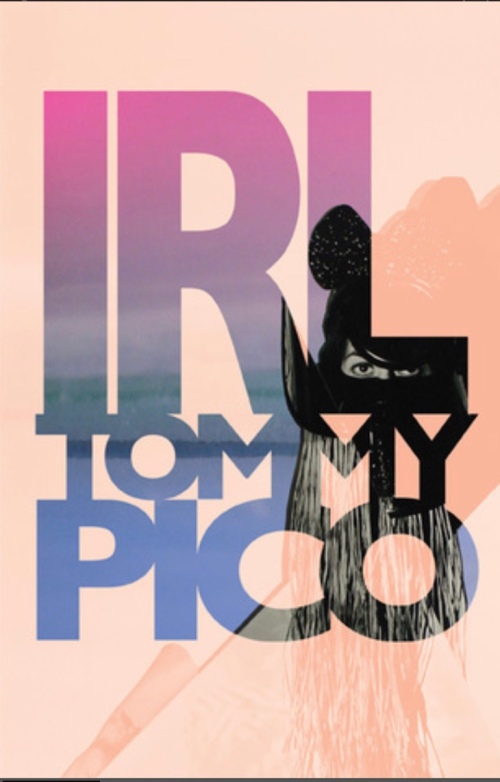
Tommy Pico’s ‘IRL’

www.goodreads.com/book/show/30968235

“I recoil

at we. Now we

know; We feel love

when; We believed

the Earth was flat

until; We stir with

heavy feeling bc…

I wipe my muddy feet

on the loveseat of We

unless I’m talking

about you and me.

Kumeyaays knew

a rounded Earth based

on the curve of stars

or didn’t, I’ll never know.

It’s a dark part inside me.

Books are fallible, towers

of letters with the power

you give them. It’s heartbreaking

to watch your pillars fall

Watch the crops dry up

and die House set on fire Forced

to dig up yr dead To. Literally.

Dig. Up. The. Old. Graveyard.

n move w/them onto a stone hill

where nothing that grows

can live. Penned in like cattle.

Approaching scientism,

universalism, a supremacy

of any given thought

process—strikes me A

hammer of dark spots. America

never intended for me to live

So that we never intended

to include me”

(Tommy Pico, ‘IRL,’ 70).

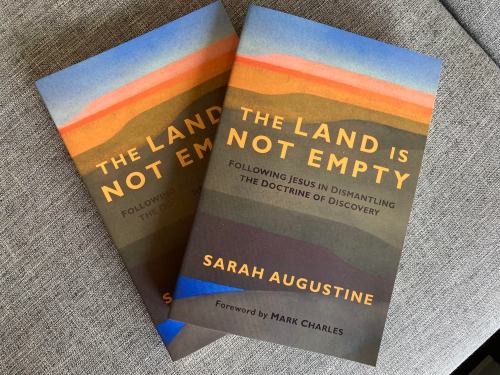
Study Guide for ‘The Land is Not Empty: Following Jesus in Dismantling the Doctrine of Discovery’ by Sarah Augustine

The Study Guide I wrote for Sarah Augustine’s incredible book, ‘The Land is Not Empty: Following Jesus in Dismantling the Doctrine of Discovery,’ is officially available online: https://heraldpress.com/wp-content/uploads/2021/06/The-Land-Is-Not-Empty-study-guide.pdf

Purchase a copy of Augustine’s book today: https://heraldpress.com/books/the-land-is-not-empty/