The Top 11/80 Books Grant Read in 2024

Screenshot

1. Tomorrow, and Tomorrow, and Tomorrow by Gabrielle Zevin

2. Never Whistle at Night: An Indigenous Dark Fiction Anthology by Shane Hawk

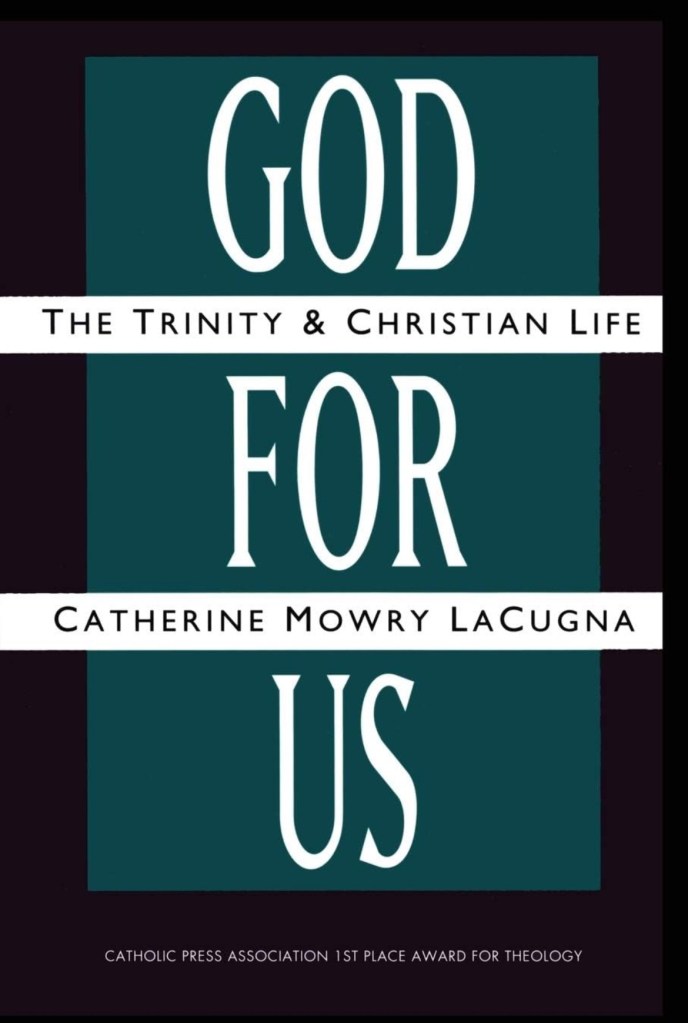
3. God for Us: The Trinity and Christian Life by Catherine Mowry Lacugna

4. After Method: Queer Grace, Conceptual Design, and the Possibility of Theology by Hanna Reichel

5. The Development of the Doctrine of the Holy Spirit in the Yoruba (African) Indigenous Christian Movement by Caleb Oluremi Oladipo

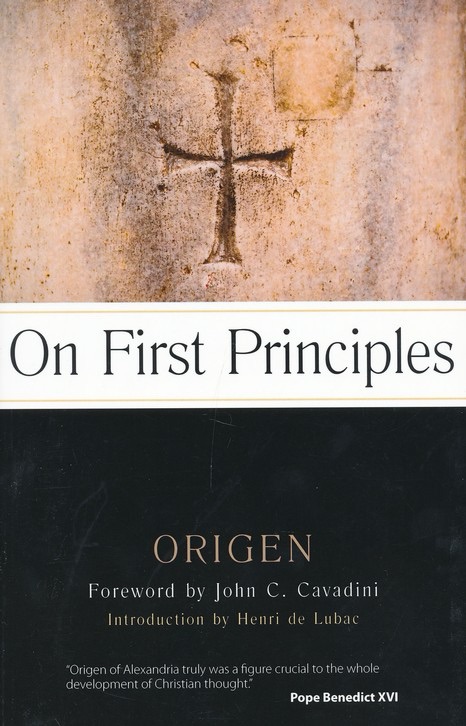
6. On First Principles by Origen

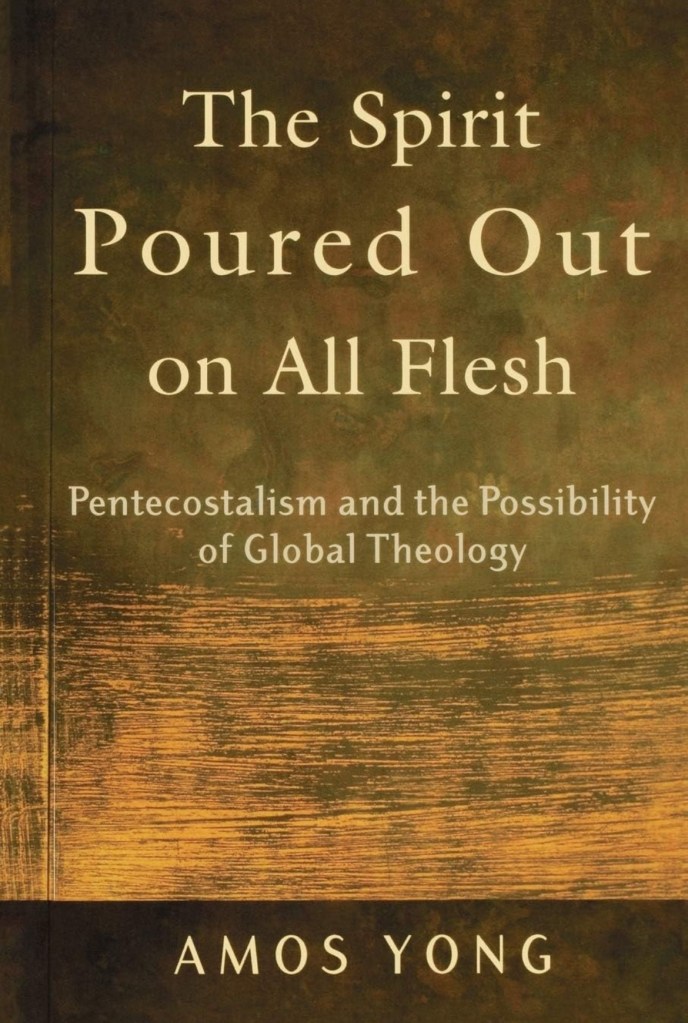
7. The Spirit Poured Out on All Flesh: Pentecostalism and the Possibility of Global Theology by Amos Yong

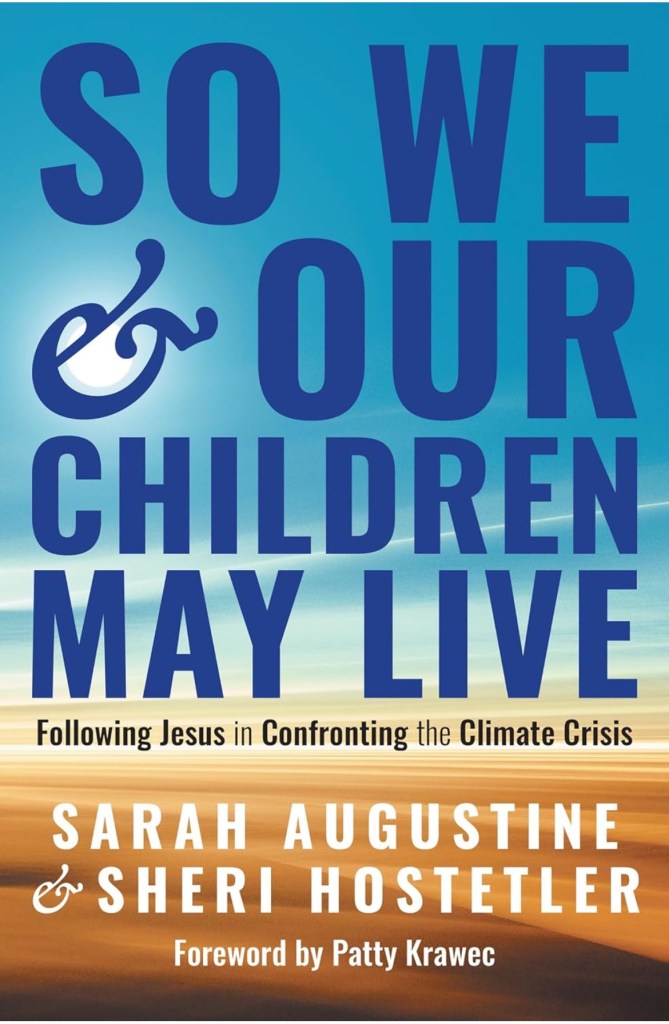
8. So We and Our Children May Live: Following Jesus in Confronting the Climate Crisis by Sarah Augustine

9. Harrow the Ninth by Tamsyn Muir

10. Theology in the Capitalocene: Ecology, Identity, Class, and Solidarity by Joerg Rieger

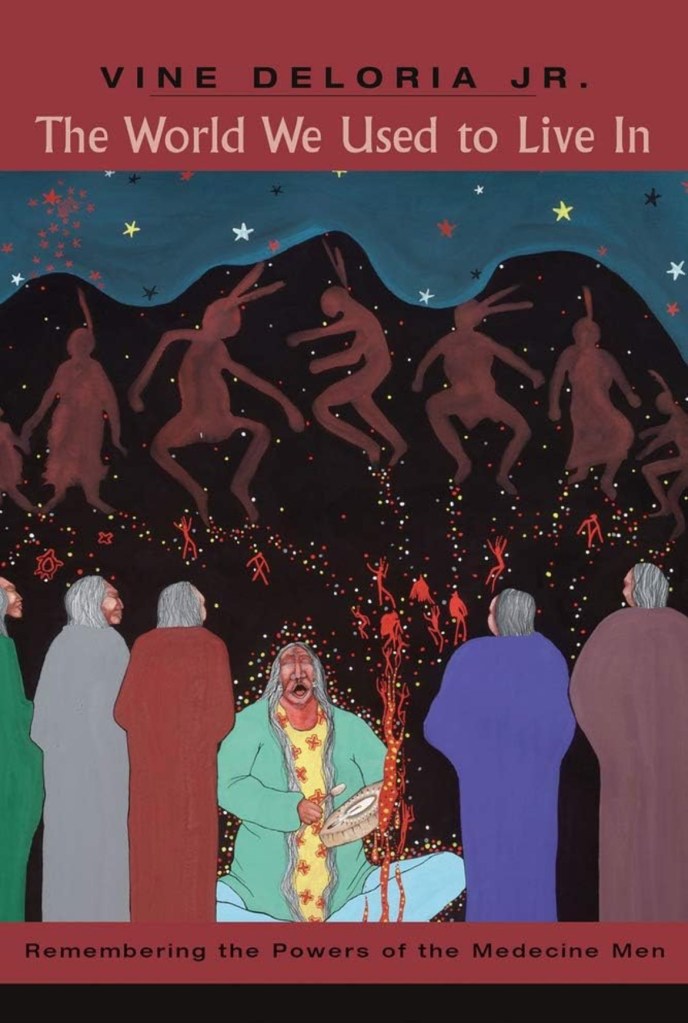
11. The World We Used to Live In: Remembering the Powers of the Medicine Men by Vine Deloria Jr.

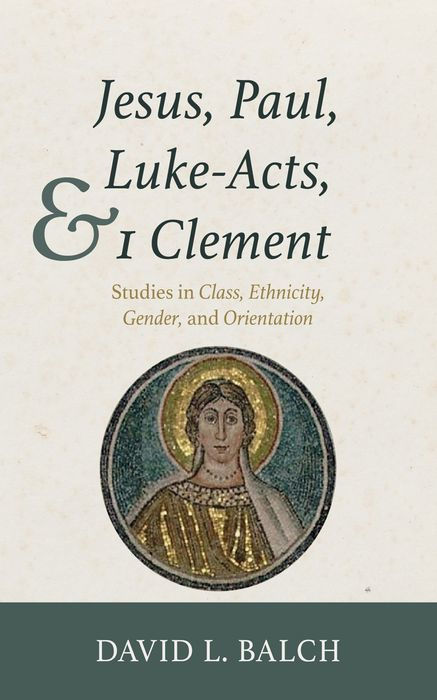
Book Review: “Jesus, Paul, Luke-Acts, & I Clement: Studies in Class, Ethnicity, Gender, and Orientation” By David L. Balch

"Jesus, Paul, Luke-Acts, & I Clement: Studies in Class, Ethnicity, Gender, and Orientation" By David L. Balch

Check out my book review of Jesus, Paul, Luke-Acts, & I Clement: Studies in Class, Ethnicity, Gender, and Orientation by the late David L. Balch. This review can be found in the December 2024 issue of the Religious Studies Review: https://doi.org/10.1111/rsr.17433.

Christians & Politics: A Prayer of Lament and a Prayer of Hope

Weave

Christians on political “sides” subscribe to a binary and oppositional understanding of our faith and political engagement that causes separation, harm, and idolatry.

Republicans, especially in the new Trump era, have increasingly synthesized salvific hope and politics toward a Divine King/Strong-Man Nationalism theology. This is problematic since Christ brought salvation in a way antithetical to cultural/political power, control, and exclusion. Instead, he offered preferential and tangible hope for the oppressed/marginalized. He frequently challenged, and even condemned, the power players perpetuating inequality. Ascribing divine privilege to a power-player, like Trump, toward the ends of Christian nationalist control, is idolatry.

On the flipside, Democrats often want to silence faith-led conviction in the polis, falsely believing that a true separation of faith/politics, public/private, secular/sacred is possible. This leads to an idolatry of law, legal systems, and political figures as the sites of salvation and hope.

Christians must be constantly self-reflective and challenge ourselves away from the allure of false-hopes within these camps. Our salvation is in Christ. The gospel message leads us to discern and question all powers that exist if their outcomes are not equivalent to the criteria of Christ’s ministry pronouncement of Luke 4:14-30, or the fruit of the Spirit in Galatians 5:22-23.

Neither party does this. There is no easy-answer to the challenge of discerning and voting with our conscience based on these faith-based criteria. Consequently, no party should have our faith and devotion. No PAC or politically activated denominational or faith-based political platform should have our faith and devotion. No nation or national symbol should have our faith and devotion. No power, system, or institution of humankind should have our faith and devotion. Only the gospel message of Jesus Christ, which commands us to love God and our neighbor as ourselves (Mark 12:30-31), and the subsequent discernment and action of the Holy Spirit in our individual and communal lives, should have our faith and devotion. All else is idolatry. Idolatry that leads to hate and violence in our hearts (and sometimes actions) toward others not like us, or those who hold different values. God clearly warns against this in Matthew 5:43-48.

As the divisive and violent party-driven rhetoric amps up in the next few months, I pray that I, and all of us who follow Christ, remember this counter-cultural message. I pray that we strive to be presences of mediation and love during these volatile times. May the gospel message that we proclaim and live-out be good news for all, not for some. May our words, actions, and lives point to God’s peaceable kingdom on Earth now, as it is in heaven.

We CAN do all things through Christ who strengthens us.

Amen.

Grant’s 10 Favorite Books of 70 Read in 2023!

1. When the Light of the World Was Subdued, Our Songs Came Through: A Norton Anthology of Native Nations Poetry, edited by Joy Harjo, with LeAnne Howe and Jennifer Elise Foerster

2. Poet, the Warrior, the Prophet, by Rubem Alves

3. Decolonial Christianities: Latinx and Latin American Perspectives, edited by Raimundo Barreto and Roberto Sirvent

4. Reading and Writing the Lakota Language, by Albert White Hat Sr.

5. Healing Haunted Histories: A Settler Discipleship of Decolonization, by Elaine Enns and Ched Myers

6. Galatians: A Theological Commentary on the Bible, by Nancy Elizabeth Bedford

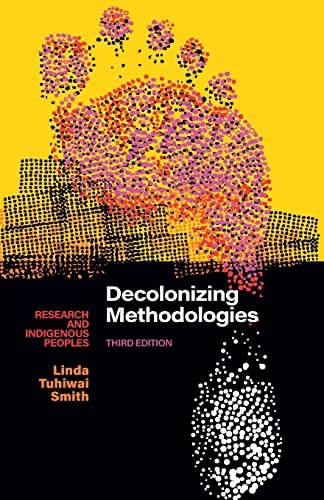
7. Decolonizing Methodologies: Research and Indigenous Peoples, by Linda Tuhiwai Smith

8. Complaint!, by Sara Ahmed

9. Faith and Freedom in Galatia and Senegal: The Apostle Paul, Colonists and Sending Gods, by Aliou Cissé Niang

10. Trading Futures: A Theological Critique of Financialized Capitalism, by Filipe Maia

Book Review: “So We and Our Children May Life: Following Jesus in Confronting the Climate Crisis” by Sarah Augustine and Sheri Hostetler

I recently had the opportunity to read and write the study guide for Sarah Augustine and Sheri Hostetler’s new book, So We and Our Children May Live: Following Jesus in Confronting the Climate Crisis. You can find the study guide on this website under the “S” titles: https://heraldpress.com/study-guides/. Reading this text was both a challenge and an inspiration. As Patty Krawec states in the forward, “In addition to laying out the stark realities of our circumstances, Sarah and Sheri have also laid out strategies for that confrontation. Things that we can and should do, things we can and should demand” (11). Consequently, this book is a prophetic naming of the disastrous realities of the global climate crisis, while also being a practical guide for responding to this present nightmare.

Augustine and Hostetler approach this collaborative work together, bringing their full identities to bear as North Americans: Augustine as a Pueblo (Tewa) descendant and Mennonite; Hostetler as a descendant of Swiss Amish Mennonite farmers. Through this collaborative dialogic, Augustine and Hostetler name the process of confronting the climate crisis as the work of decolonization, solidarity, and survival. They strive to accomplish this work by structuring the book into three parts.

The first part contrasts the lived experiences of “Reality” versus the web of lies spun by the global extractive logic of “reality.” As Christians, Augustine and Hostetler connect “Reality” with God’s kingdom vision for the world: past, present, and future. In the second part of the book, Augustine and Hostetler interrogate popularized approaches to climate change through the “Green Growth” movement and reveal the deadly limitations of these initiatives. Finally, in the third part, Augustine and Hostetler propose an alternate vision of ecological justice and right relationship by providing tangible steps toward co-creating a decolonized future.

Augustine and Hostetler provide a compelling and practical case that both names Reality and offers practical steps toward co-creating a just future for all people and creation. As Augustine and Hostetler reveal, the stakes are great: “We can imagine and choose a life-sustaining, just civilization, or we can continue business as usual. Life and death. What’s good and what’s wrong. That is our choice” (26). My hope and prayer is that this book, and the discussions sparked by it through conversations, reading groups, and study-guide engagement, can lead us toward action in choosing life. Amen.

Preparation Prayer

Lord,

prepare my ears to hear the suffering

shield my heart to not take on that pain

warm my soul toward genuine empathy

enliven my mind to interpret and translate

and sharpen my tongue to speak the wisdom

of Your Holy Spirit

Amen.

‘Nature Poem’ by Tommy Pico Review

www.goodreads.com/book/show/32311036

“NDN teens have the highest rate of suicide of any population group in America. A white man can massacre 9 black ppl in a church and be fed Burger King by the cops afterward. A presidential candidate gains a platform by saying Mexican immigrants are murdered and rapists

It’s hard for me to imagine curiosity [in America] as anything more than a pretext for colonialism” (Tommy Pico, ‘Nature Poem,’ 40).

“Look, I’m sure you really do just want to wear those dream catcher earrings. They’re beautiful. I’m sure you don’t mean any harm, I’m sure you don’t really think abt us at all. I’m sure you don’t understand the concept of off-limits. But what if by not wearing a headdress in yr music video or changing yr damn mascot and perhaps adding .05% of personal annoyance to yr life for the twenty minutes it lasts, the 103 young ppl who tried to kill themselves on the Pine Ridge Indian reservation over the past four months wanted to live 50% more” (Tommy Pico, ‘Nature Poem,’ 56).

Poem in Geez Magazine’s 2021 Advent Devotion

I’m thrilled to share that my poem was included in Geez Magazine’s 2021 Advent book: ‘Songs for the Shadows: A Season of Embracing the Dark.’

If you don’t have a plan for advent devotions already, I highly recommend snagging yourself a copy today: https://geezmagazine.org/blogs/entry/songs-for-the-shadows

My poem is called ‘The Spirit Finds Me in the Darkness’ and is a re-imagining of Psalm 23.

‘Homeland Elegies’ Book Response

www.goodreads.com/book/show/50358133

I especially appreciated Akhtar’s clear explanation of how ‘Economy’ is our National god in the United States. All people, no matter their religion, bow down in deference to Economy before their gods.

Review of ‘Who was Jesus and What does it Matter’ by Dr. Nancy Bedford

www.goodreads.com/review/show/4236110185

This short book from Dr. Nancy Bedford packs a vital theological punch. It poses the question ‘Who was Jesus’ and ‘What does it mean to follow him’ in an attempt to redirect the Church back toward the centrality of Christ, the gospel message, and what it means to be the Body of Christ. Without the centralization of Christ and what it means to tangibly follow Christ, the Church has lost its way. This text is a clarion call for our times with tangible steps for redirecting ourselves and our communities toward Christ.

Dr. Bedford provides 6 entry points into the two posed questions:

1. Who is Jesus of Nazareth and what does it mean to follow him?

2. Who is Jesus ‘the Incarnate One’ and what does it mean to follow him?

3. Who is Jesus as Prophet, Teacher, and Healer? And how to follow him?

4. Who is Jesus ‘the executed one?’ How do we follow him?

5. Who is Jesus resurrected and exalted? How do we follow him?

6. Who is Jesus in the Spirit, and how do we follow them?

This book is written to be accessible to all people and has discussion questions for each chapter. As a result, it is perfect for small groups! I highly recommend.

I’ll end this review with a succinct quote that I believe speaks to the concise clarity, beauty, and conviction of this text:

“If we say we follow Jesus, whenever it seems that the fruit of our discipleship does not lead to justice and peacemaking, it is time to reexamine our lives and those of our communities of faith. We can do so with the help of the Spirit by examining more closely the way Jesus lived (Matthew 7:15-20) and asking ourselves whether we are truly walking in his footsteps” (Dr. Nancy Bedford, ‘Who was Jesus and What Does it Mean to Follow Him,’ 74).

Amen!