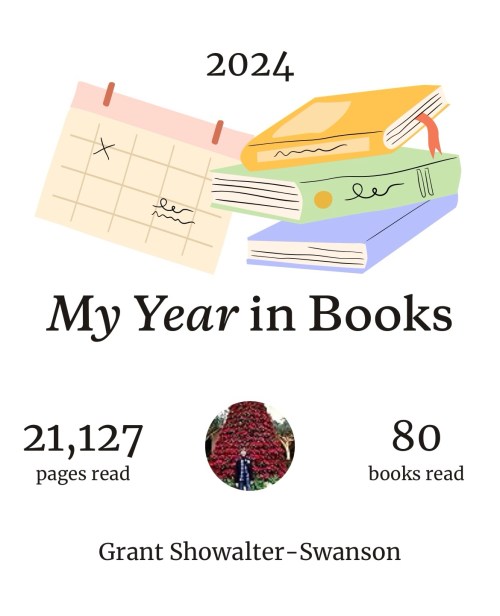
The Top 11/80 Books Grant Read in 2024

Screenshot

1. Tomorrow, and Tomorrow, and Tomorrow by Gabrielle Zevin

2. Never Whistle at Night: An Indigenous Dark Fiction Anthology by Shane Hawk

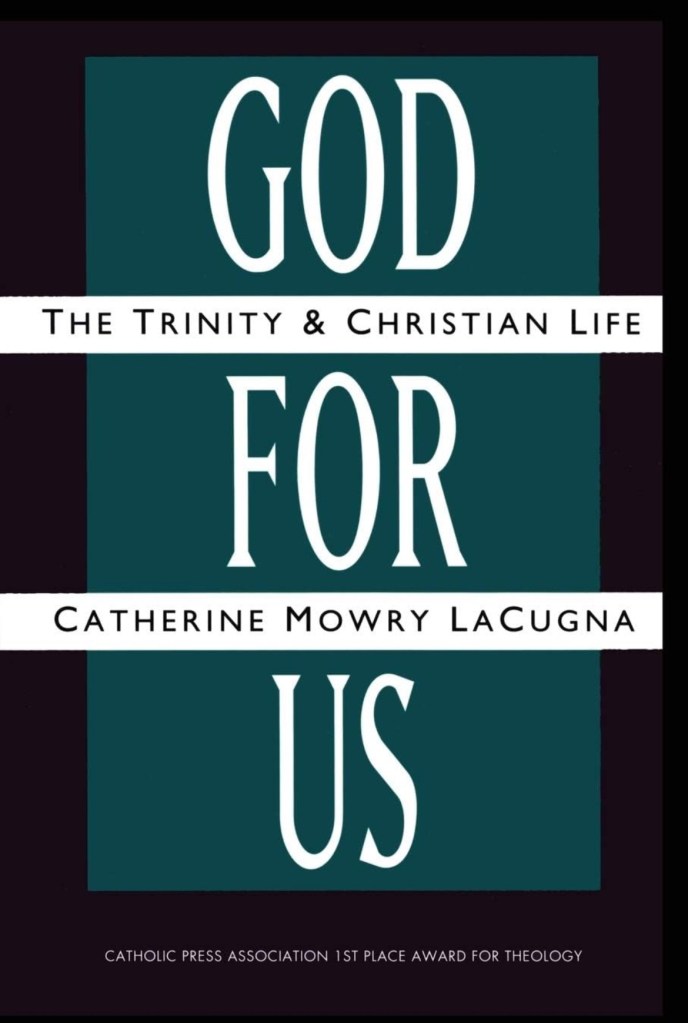
3. God for Us: The Trinity and Christian Life by Catherine Mowry Lacugna

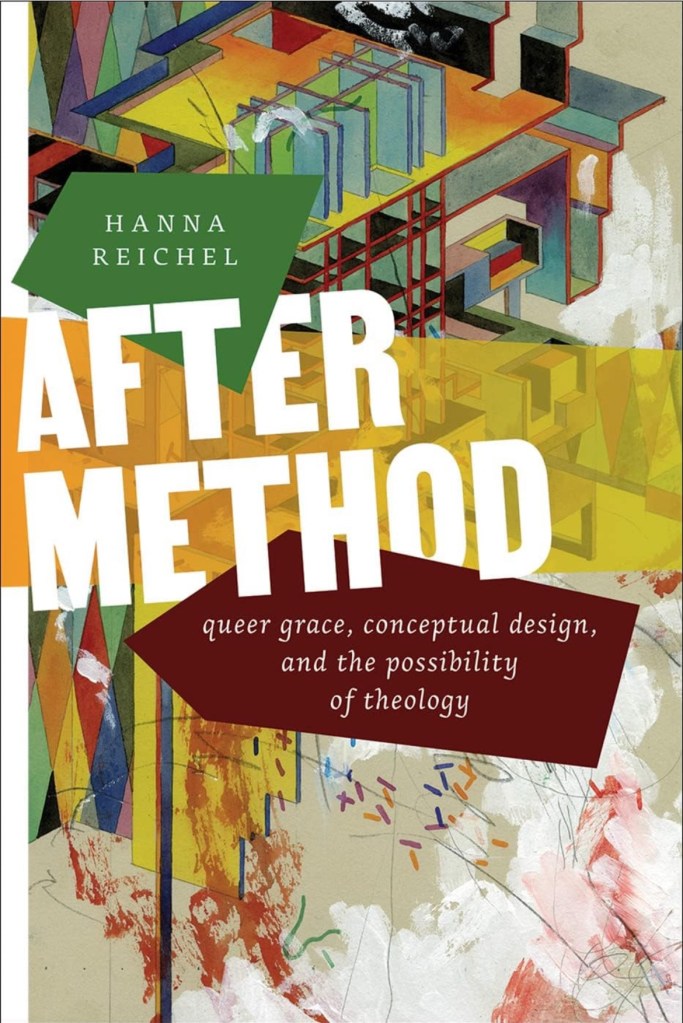
4. After Method: Queer Grace, Conceptual Design, and the Possibility of Theology by Hanna Reichel

5. The Development of the Doctrine of the Holy Spirit in the Yoruba (African) Indigenous Christian Movement by Caleb Oluremi Oladipo

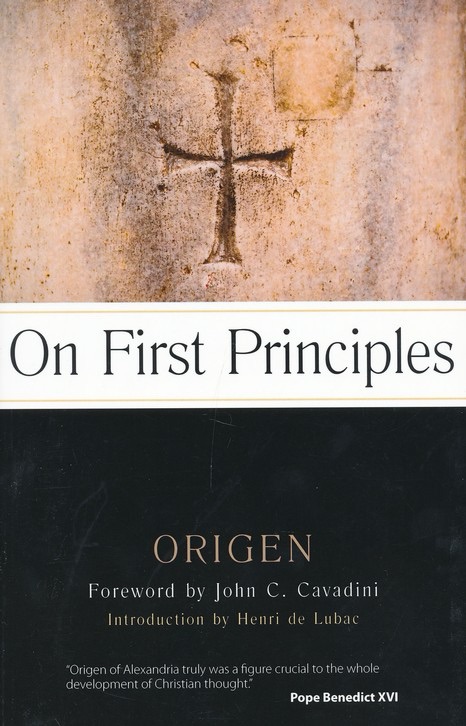
6. On First Principles by Origen

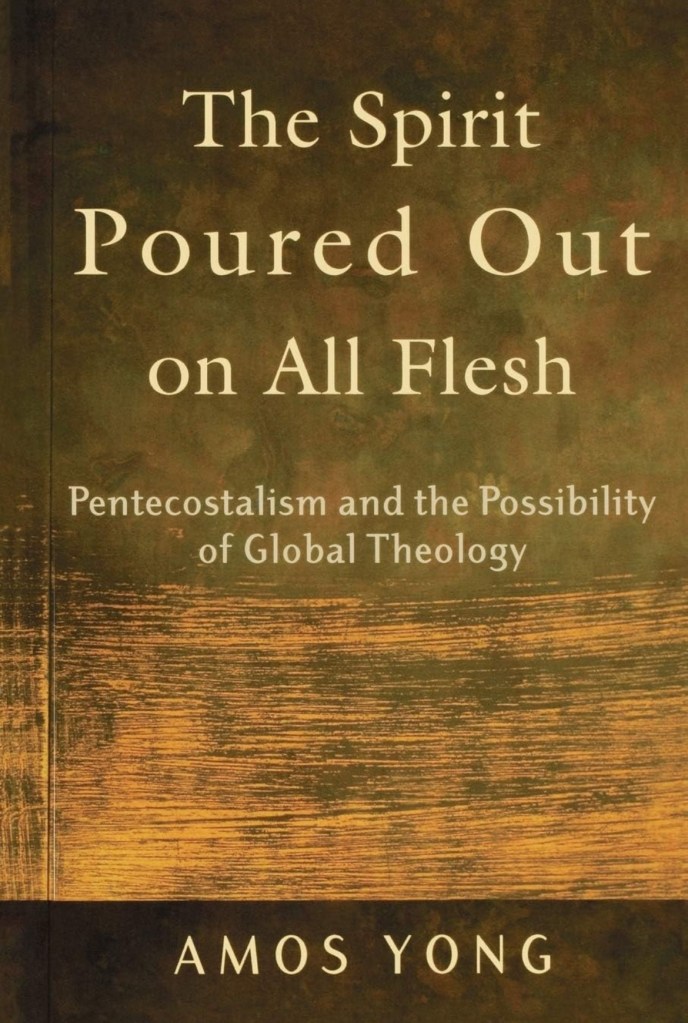
7. The Spirit Poured Out on All Flesh: Pentecostalism and the Possibility of Global Theology by Amos Yong

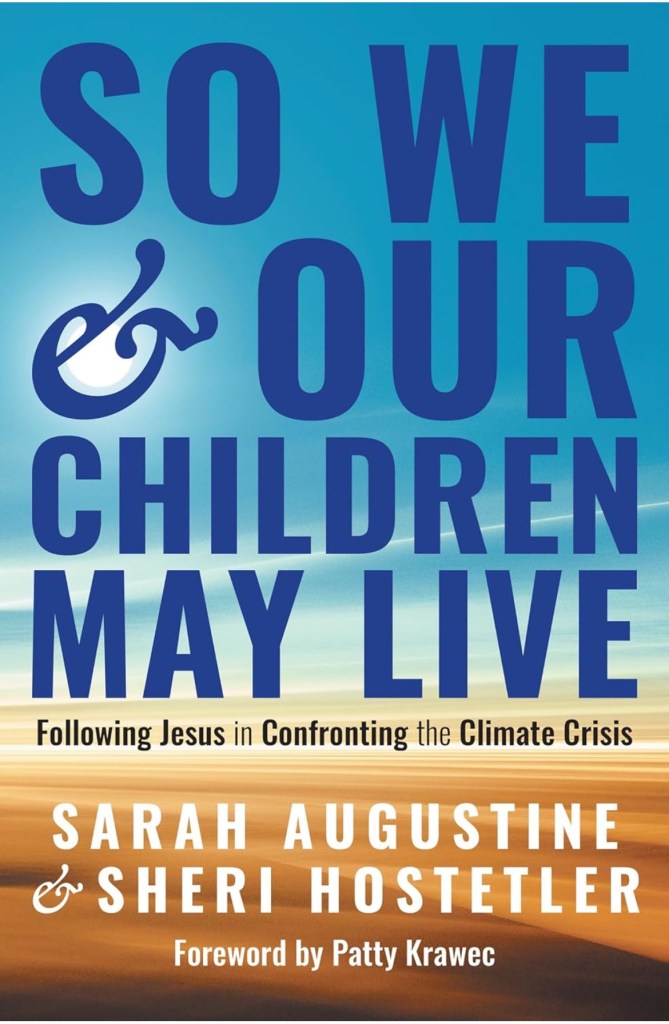
8. So We and Our Children May Live: Following Jesus in Confronting the Climate Crisis by Sarah Augustine

9. Harrow the Ninth by Tamsyn Muir

10. Theology in the Capitalocene: Ecology, Identity, Class, and Solidarity by Joerg Rieger

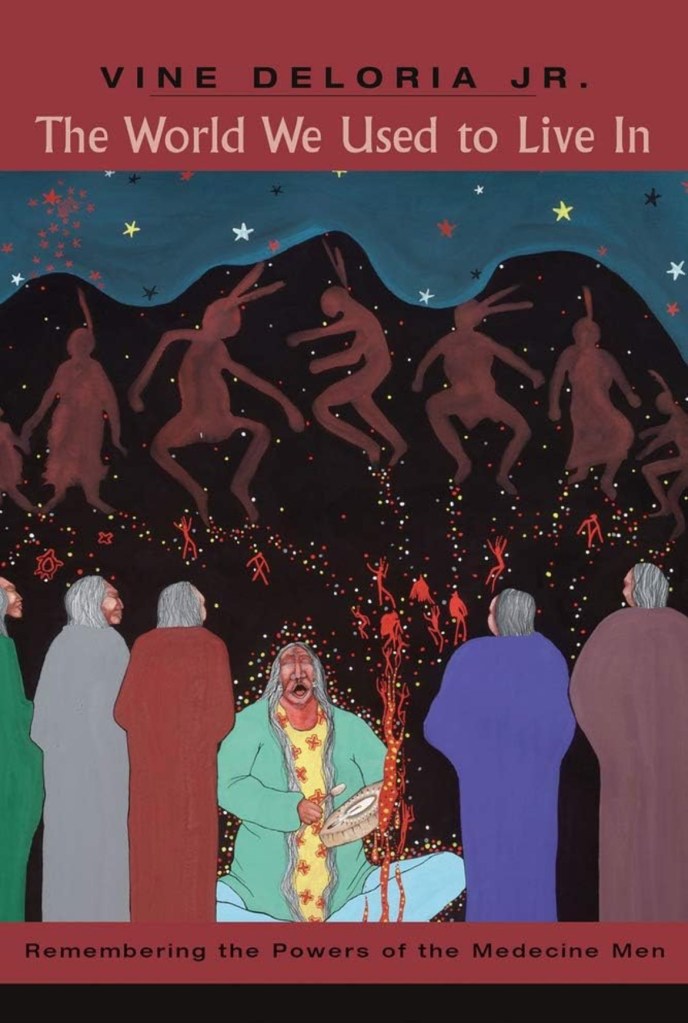
11. The World We Used to Live In: Remembering the Powers of the Medicine Men by Vine Deloria Jr.

Christians & Politics: A Prayer of Lament and a Prayer of Hope

Weave

Christians on political “sides” subscribe to a binary and oppositional understanding of our faith and political engagement that causes separation, harm, and idolatry.

Republicans, especially in the new Trump era, have increasingly synthesized salvific hope and politics toward a Divine King/Strong-Man Nationalism theology. This is problematic since Christ brought salvation in a way antithetical to cultural/political power, control, and exclusion. Instead, he offered preferential and tangible hope for the oppressed/marginalized. He frequently challenged, and even condemned, the power players perpetuating inequality. Ascribing divine privilege to a power-player, like Trump, toward the ends of Christian nationalist control, is idolatry.

On the flipside, Democrats often want to silence faith-led conviction in the polis, falsely believing that a true separation of faith/politics, public/private, secular/sacred is possible. This leads to an idolatry of law, legal systems, and political figures as the sites of salvation and hope.

Christians must be constantly self-reflective and challenge ourselves away from the allure of false-hopes within these camps. Our salvation is in Christ. The gospel message leads us to discern and question all powers that exist if their outcomes are not equivalent to the criteria of Christ’s ministry pronouncement of Luke 4:14-30, or the fruit of the Spirit in Galatians 5:22-23.

Neither party does this. There is no easy-answer to the challenge of discerning and voting with our conscience based on these faith-based criteria. Consequently, no party should have our faith and devotion. No PAC or politically activated denominational or faith-based political platform should have our faith and devotion. No nation or national symbol should have our faith and devotion. No power, system, or institution of humankind should have our faith and devotion. Only the gospel message of Jesus Christ, which commands us to love God and our neighbor as ourselves (Mark 12:30-31), and the subsequent discernment and action of the Holy Spirit in our individual and communal lives, should have our faith and devotion. All else is idolatry. Idolatry that leads to hate and violence in our hearts (and sometimes actions) toward others not like us, or those who hold different values. God clearly warns against this in Matthew 5:43-48.

As the divisive and violent party-driven rhetoric amps up in the next few months, I pray that I, and all of us who follow Christ, remember this counter-cultural message. I pray that we strive to be presences of mediation and love during these volatile times. May the gospel message that we proclaim and live-out be good news for all, not for some. May our words, actions, and lives point to God’s peaceable kingdom on Earth now, as it is in heaven.

We CAN do all things through Christ who strengthens us.

Amen.

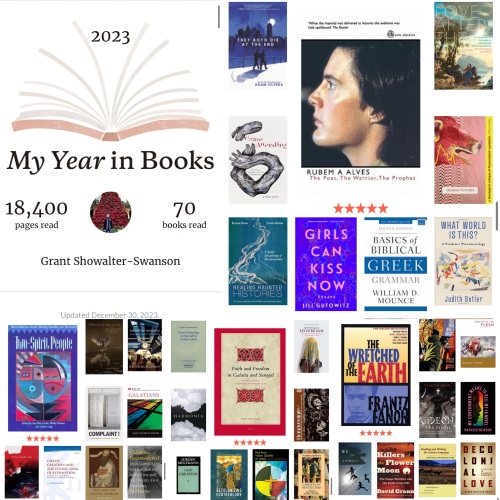
Grant’s 10 Favorite Books of 70 Read in 2023!

1. When the Light of the World Was Subdued, Our Songs Came Through: A Norton Anthology of Native Nations Poetry, edited by Joy Harjo, with LeAnne Howe and Jennifer Elise Foerster

2. Poet, the Warrior, the Prophet, by Rubem Alves

3. Decolonial Christianities: Latinx and Latin American Perspectives, edited by Raimundo Barreto and Roberto Sirvent

4. Reading and Writing the Lakota Language, by Albert White Hat Sr.

5. Healing Haunted Histories: A Settler Discipleship of Decolonization, by Elaine Enns and Ched Myers

6. Galatians: A Theological Commentary on the Bible, by Nancy Elizabeth Bedford

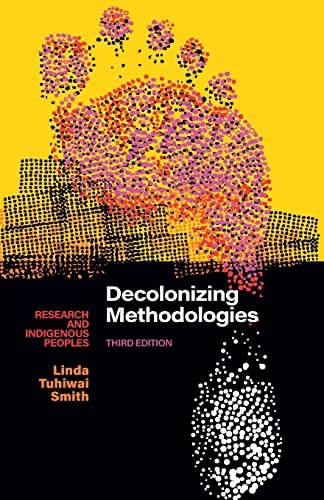
7. Decolonizing Methodologies: Research and Indigenous Peoples, by Linda Tuhiwai Smith

8. Complaint!, by Sara Ahmed

9. Faith and Freedom in Galatia and Senegal: The Apostle Paul, Colonists and Sending Gods, by Aliou Cissé Niang

10. Trading Futures: A Theological Critique of Financialized Capitalism, by Filipe Maia

Book Review: “Beguiled by Beauty: Cultivating a Life of Contemplation and Compassion” by Wendy Farley

Beguiled by Beauty: Cultivating a Life of Contemplation and Compassion by Wendy Farley is a practical exploration of the practice of contemplation and attentiveness to beauty. Farley makes this connection between contemplation and beauty by first emphasizing that “the core practice of a contemplative way of life is radical compassion….A contemplative way of life is motivated by a devotion to the welfare of others” (7). While contemplation is primarily practiced through interior work and discipline, Farley notes that such interior work is oriented toward relationality. This relationality originates, and is rooted, within the Divine. From this rootedness within the Divine Beloved, the interior work of contemplation then radiates outward as radical compassion for all creation.

With this understanding of the communal nature of contemplation and its interior work, Farley then defines beauty. She defines beauty as “the threshold to Divine Goodness and a door into radical compassion. When we fall in love with the beauty of the world, we care all the more passionately about the well-being of the environment and all of the beings in the world” (16). Since attentiveness to beauty connects humanity with the Divine Goodness of God’s creation, leading humans into radical compassion and care for that creation. Consequently, this attentiveness to beauty, according to Farley, is a crucial tool of contemplation. From this synthetic framework of the interior work of contemplation and attentiveness to beauty, rooted in relationality with Divine Goodness, leading to radical compassion amidst of all of creation, Farley structures the contents of Beguiled by Beauty.

Following the first introductory chapter where Farley establishes this framework, chapters 2-3 elaborate this framework in greater detail. Chapters 4-7 provide general examples of the synthetic framework between contemplation and beauty, while also noting benefits and challenges within this framework. In the eighth chapter, Farley concludes with practical examples of contemplative practices that offer opportunities to be attentive to beauty within everyday life.

Beguiled by Beauty successfully achieves Farley’s goal of providing a theoretical and practical approach to contemplative practice that is attentive to beauty so that individuals can draw deeper into God’s Divine Goodness and bear fruits of radical compassion toward all of compassion. However, a greater exploration into the role of privilege within practices of contemplation would have made this text stronger. For example, Farley states that “the causes of well-being and unhappiness lie deep inside us and we share them without knowing it” (10). While this statement rings with truth, so too do systematic and structural injustice and marginalization dramatically and tangibly impact lived experiences within all of creation. Consequently, a nuanced discussion of the role of privilege and oppression, and their consequent impact on access to contemplation, would have made the argument of this text stronger.

Prayer (5.14.23)

When Mother God

created the heavens and the earth,

including all of humanity,

tending to the most minute details,

and ensuring a rich tapestry

of variance and difference,

she/they looked at all of it,

all of us,

and said that everything

was “very good.”

Go forth with this knowledge

of universal goodness,

in the creative power

of the Holy Spirit,

and love courageously.

Amen.

A contextual adaptation of ‘United Methodist Book of Worship’ Blessing 548

This is the Pastoral Prayer I wrote for the May 24, 2022 Clergy Session of the Northern Illinois Conference of the United Methodist Church.

God of eternal presence with us,

amidst all joy and pain,

guide us in this gathering today

as we tend to the grief of what we have lost

and as we celebrate the excitement of what is new and expanding.

This gathering today may revive in us memories of loved ones, colleagues, and friends who are no longer with us today.

May we take time to tend to this grief

and remember the happy memories we shared together

while they were still with us.

In the next few moments, may we speak the names of those whom we have lost out loud OR quietly in our hearts.

[Speak out-loud or reflect]

Lord, thank you for the time we had to share with these beloved people.

May our memories together be a blessing until we meet again.

Three years have passed, and yet we still feel the looming presence of the pandemic.

May we take time to acknowledge this grief,

remembering and honoring what has been lost:

plans, justice, communities, dignity, events, rights, services.

In the next few moments, may we speak that which has been lost out loud OR quietly in our hearts.

[Speak out-loud or reflect]

Lord, thank you for your constant presence with us during this time, weeping along with us and our communities.

May we continue to rely on your boundless love as our strength as we continue to care for our congregations, communities, families, and selves.

During these three years, we have also encountered new persons, deeper relationships, and the expansion of families.

May we take time to tend to these joys,

holding the faces and names,

of those we have met and grown to cherish and love.

In the next few moments, may we speak the names of those whom we have met out loud OR quietly in our hearts.

[Speak out-loud or reflect]

Lord, we name these relationships with gratitude, and we bless them.

May we continue to tend, cherish, and rejoice in the beloved people and relationships whom you have placed in our lives today.

These three years have been marked by forced innovation and change.

May we take time to acknowledge the good that has come from the Holy Spirit

helping us to expand and imagine our communities in exciting new ways,

emphasizing justice, dignity, accessibility, safety, and creativity.

In the next few moments, may we speak the good out loud OR quietly in our hearts.

[Speak out-loud or reflect]

Lord, thank you for the innovative power of your Holy Spirit, leading and guiding us in these times of profound change.

May we find strength from your Holy Spirit, and from one another, to continue the ministry work to which you have called us.

God among us,

our unrelenting listener,

we give you thanks for this time to share

our griefs and joys with you.

Bless us, keep us, and inspire us

in the great work to which you have called us –

yesterday, today, and tomorrow –

in collaboration, accountability, and support

with You,

with our ministry communities,

and with our colleagues here today.

In Your name,

we rejoice and praise.

Amen.
Preparation Prayer

Lord,

prepare my ears to hear the suffering

shield my heart to not take on that pain

warm my soul toward genuine empathy

enliven my mind to interpret and translate

and sharpen my tongue to speak the wisdom

of Your Holy Spirit

Amen.

‘Nature Poem’ by Tommy Pico Review

www.goodreads.com/book/show/32311036

“NDN teens have the highest rate of suicide of any population group in America. A white man can massacre 9 black ppl in a church and be fed Burger King by the cops afterward. A presidential candidate gains a platform by saying Mexican immigrants are murdered and rapists

It’s hard for me to imagine curiosity [in America] as anything more than a pretext for colonialism” (Tommy Pico, ‘Nature Poem,’ 40).

“Look, I’m sure you really do just want to wear those dream catcher earrings. They’re beautiful. I’m sure you don’t mean any harm, I’m sure you don’t really think abt us at all. I’m sure you don’t understand the concept of off-limits. But what if by not wearing a headdress in yr music video or changing yr damn mascot and perhaps adding .05% of personal annoyance to yr life for the twenty minutes it lasts, the 103 young ppl who tried to kill themselves on the Pine Ridge Indian reservation over the past four months wanted to live 50% more” (Tommy Pico, ‘Nature Poem,’ 56).

Review of ‘The NIV Beautiful Word Bible: Updated Version’

www.goodreads.com/book/show/45734929

First and foremost, I need to clear the air: this is NOT a gendered book. The only place where the editors hint at a particular presentation is when the editor’s note only mentions biblical figures Hannah and Esther. And to that, I say “come on editors, do better. Resist the idolatry of capitalism and gendered marketing, please. It harms all of us who cannot fit your false expectations of hyper masculinity and feminism.” We need to resist the consumer world that says a Bible designed to highlight the beauty of scripture does NOT mean that it should be primarily marketed to girls. Boys MUST learn to see the beauty of scripture, too. If you get this version for a girl, get it for a boy, too. The Bible is for all people, so let’s stop boxing ourselves in with gendered stereotypes. Thank you and I will now step off my soap box.

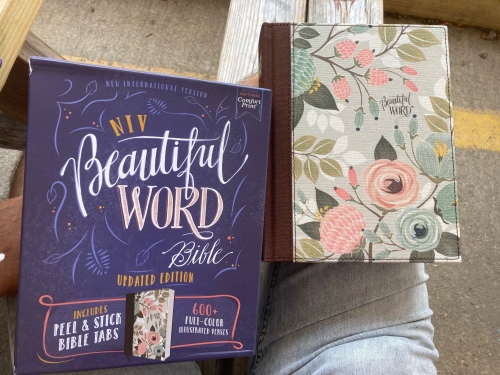
This Zondervan NIV 2011 updated translation, written in Zondervan NIV typeface, is a WONDERFUL version of the Bible that is highly engaging. First of all, it does what many versions cannot: it meets the needs of visual learners. The editors of this version worked with BibleGateway to find the most searched scriptures and balanced them with scriptures that are lesser known to present 600 scriptures in colorful artistic presentations through the entirety of the Bible! 9 different artists took charge of illuminating the 600 different scriptures. They also did a fantastic job of making the chosen scriptures memorizable so that folks can engage with their Scripture reading for memorization as well.

Each page of the Bible has a couple of inches on the edge with lines for note-taking. Every few pages has this space taken up with the artistic presentation of scripture. These illustrations are gorgeous and reflect the essence of each individual scripture.

The Bible also comes with sticker tabs for each book of the Bible, if you want to have the books of the Bible marked in this way. All this to say, this version of the Bible is meant to be engaged: written on, highlighted, and covered in stickers. Have at it! Mark it up and make it your own!

The Bible also comes with a sturdy box carrying case which is helpful for being mobile. It is also small enough to carry around with you! The cover itself is a gorgeous felt floral pattern with a woody brown felt binding. Visually appealing without being obnoxious.

The back of the Bible has a table for understanding biblical weights and measures in comparison with our modern weights and measures, an index of the 9 scripture artists and which scriptures illustrations they created, and 5 pages of lines for note-taking.

It has been a joy engaging with this visually stimulating and artistic version of the NIV translation Bible and I look forward to utilizing it and learning from it in the months/years to come!

Book Review: ‘The Black Trans Prayer Book,’ Co-Edited by J Mase III & Lady Dane Figueroa Edidi

The Black Trans Prayer Book by J Mase III

My rating: 5 of 5 stars


In a world where the enforced norm for life and existence marginalizes all identities that don’t ‘fit,’ identify-affirming practices are a form of life-giving resistance. As a result, ‘The Black Trans Prayer Book’ is a site of life creation and salvific resistance with God by offering interfaith prayers, poems, visual art, and a variety of other spiritual practices, created by Black Trans, Intersex, and Non-Binary authors, that demonstrate the belovedness, sacredness, and blessedness of all people to God, but specifically the people most marginalized by the powers and principalities of this world.

This text is sacred and vital space necessary for the holistic self-care and divine strength necessary for the Spirit-driven transformation work of dismantling white supremacy, racism, homophobia, transphobia, and all of the other violent sins that harm and exclude in our society, toward the evermore creation/embodiment of God’s Kin(g)dom here on our precious and physical earth. Amen


View all my reviews