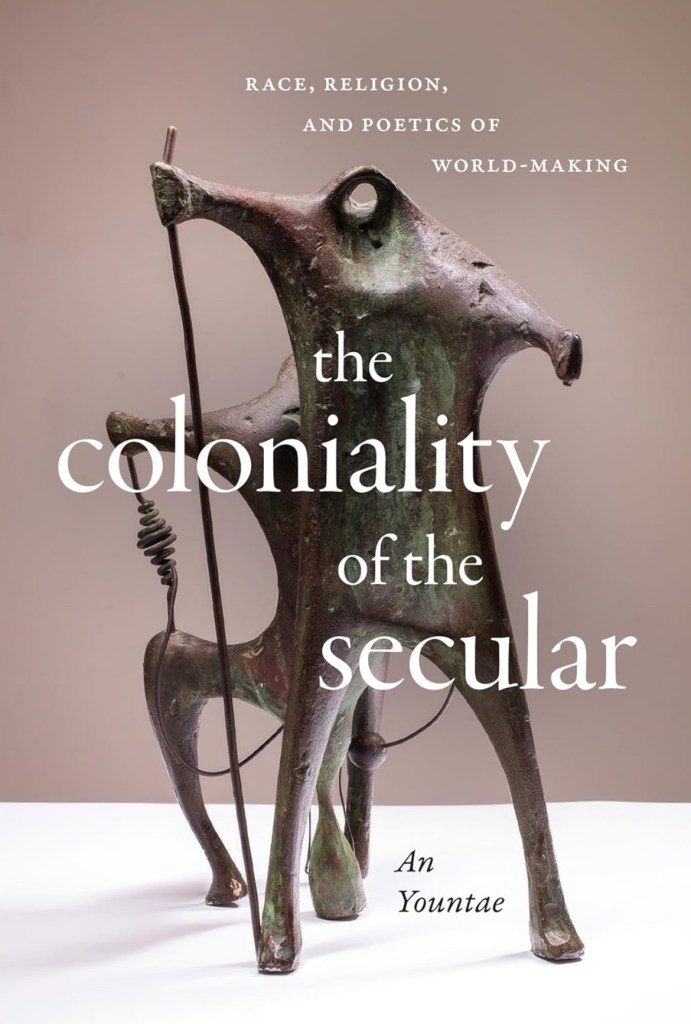
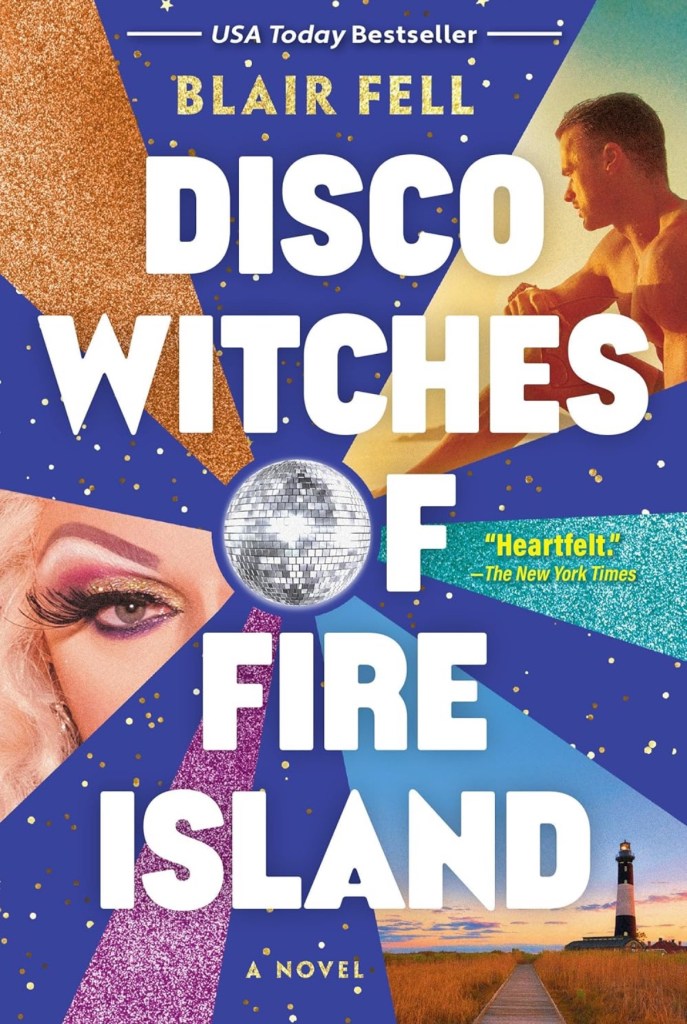
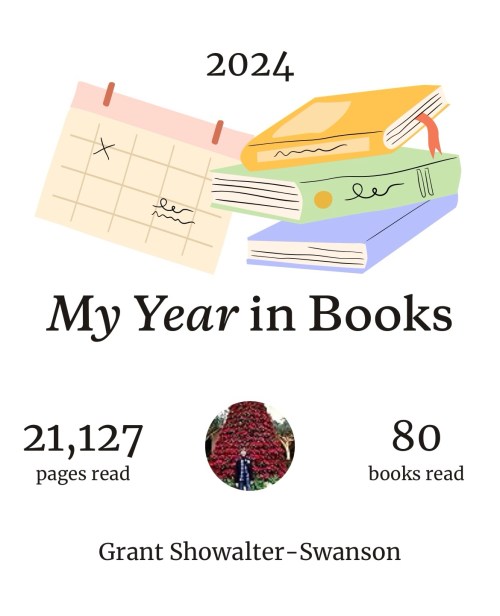
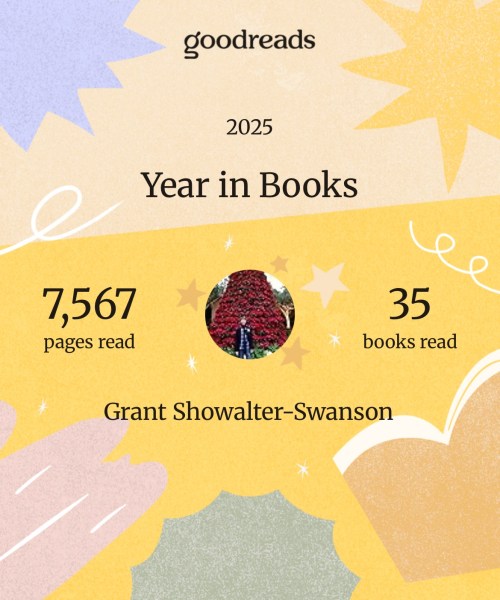
The Top 11/80 Books Grant Read in 2024

Screenshot

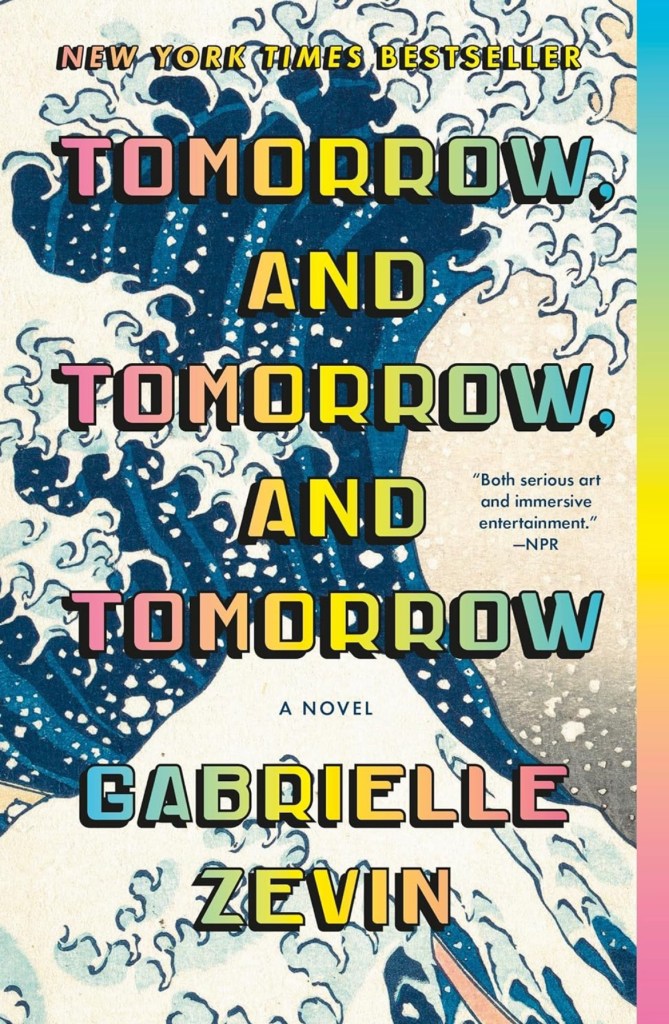
1. Tomorrow, and Tomorrow, and Tomorrow by Gabrielle Zevin

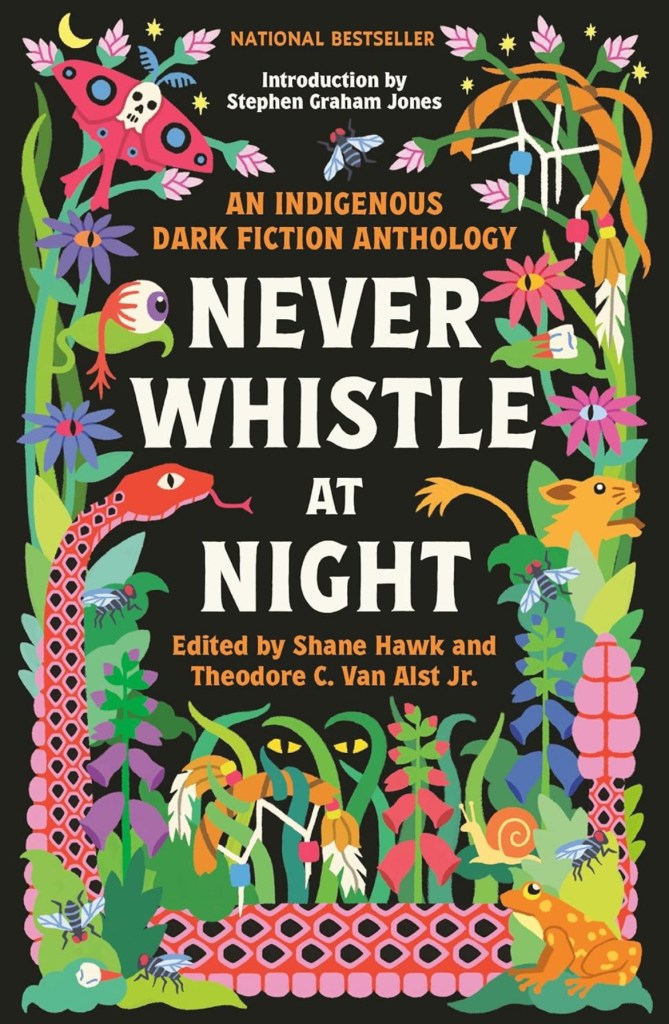
2. Never Whistle at Night: An Indigenous Dark Fiction Anthology by Shane Hawk

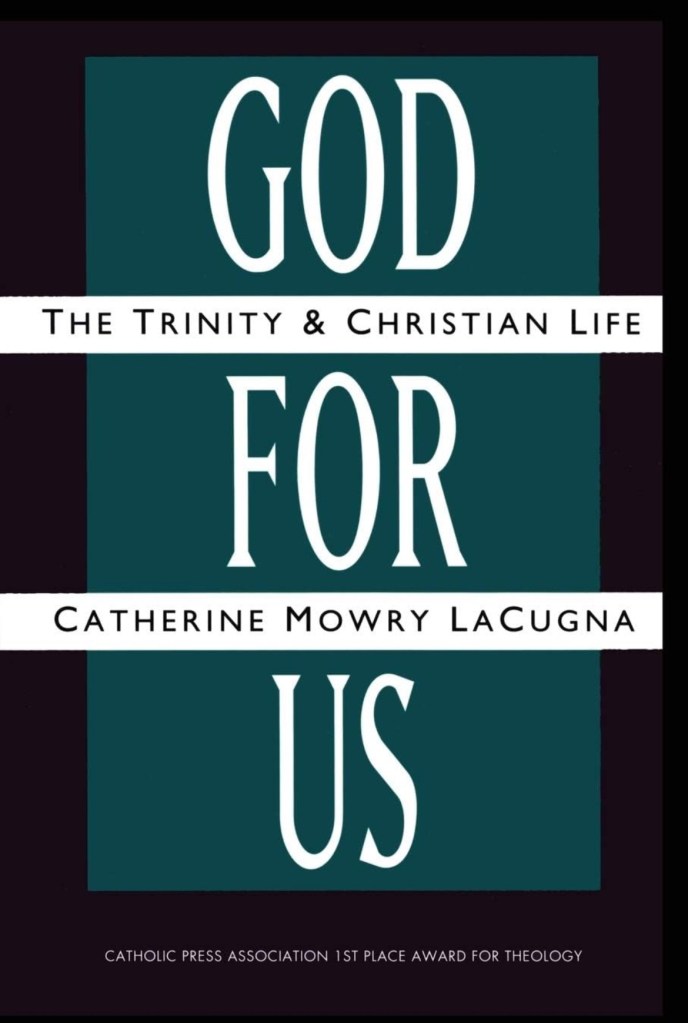
3. God for Us: The Trinity and Christian Life by Catherine Mowry Lacugna

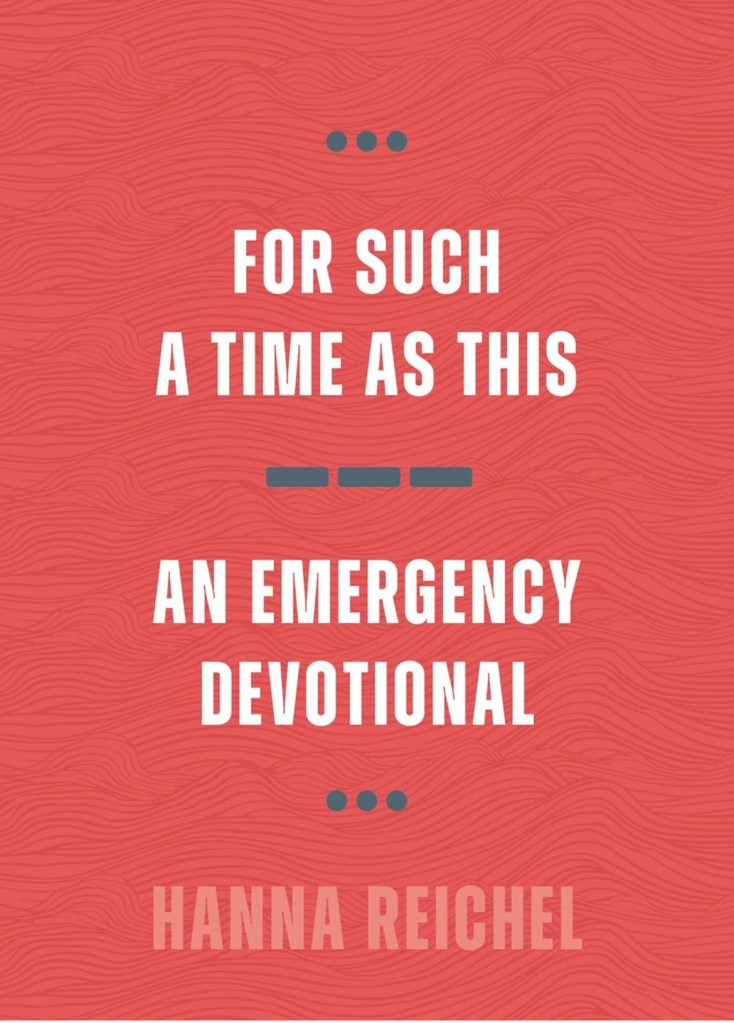
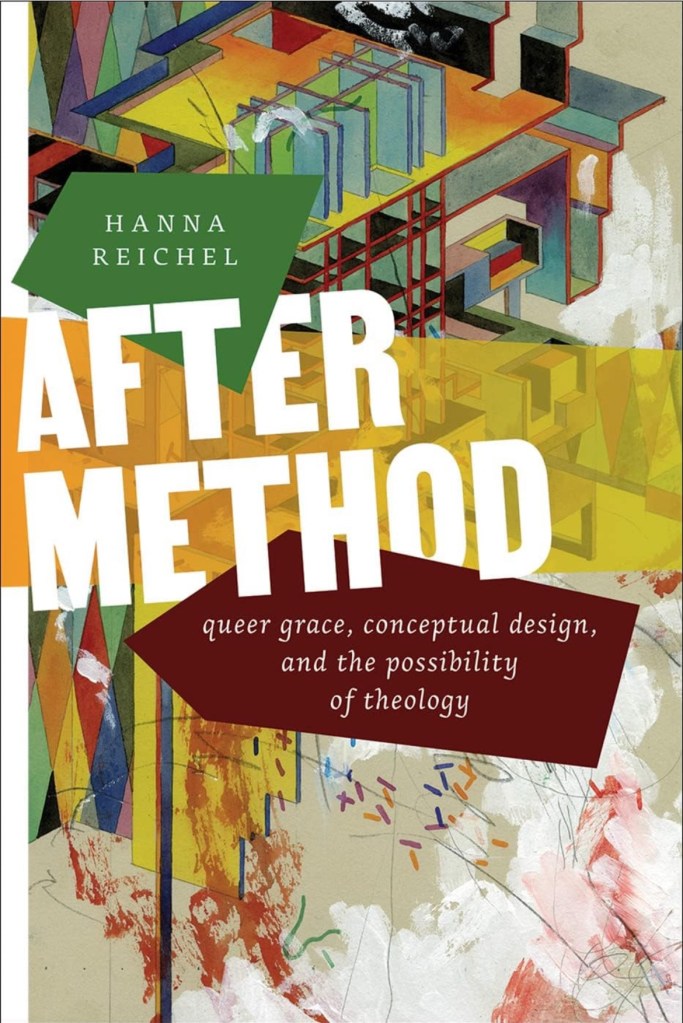
4. After Method: Queer Grace, Conceptual Design, and the Possibility of Theology by Hanna Reichel

5. The Development of the Doctrine of the Holy Spirit in the Yoruba (African) Indigenous Christian Movement by Caleb Oluremi Oladipo

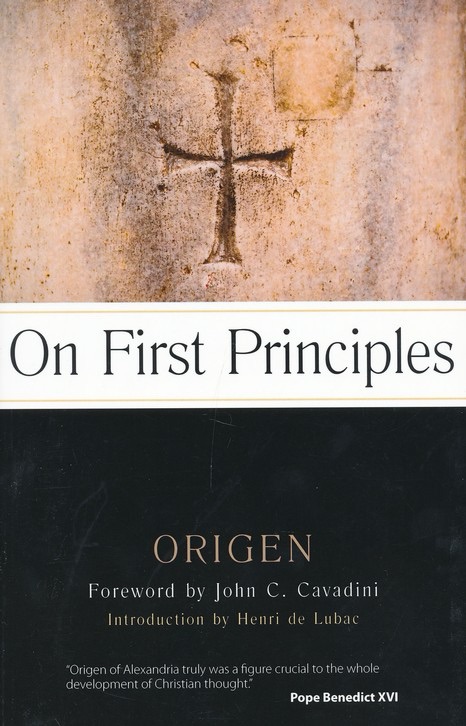
6. On First Principles by Origen

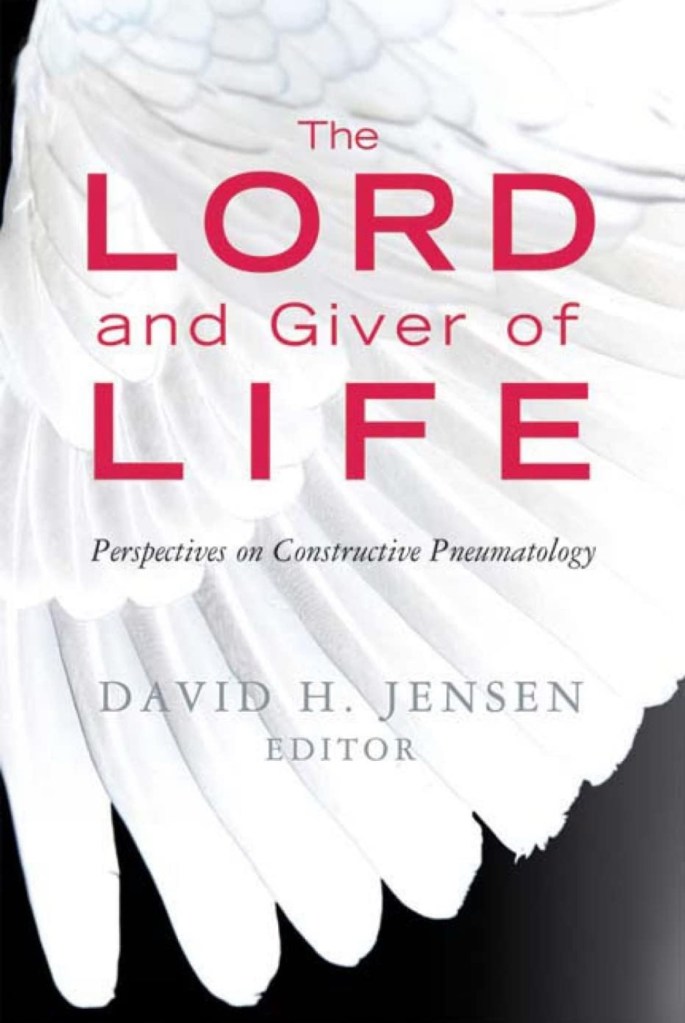
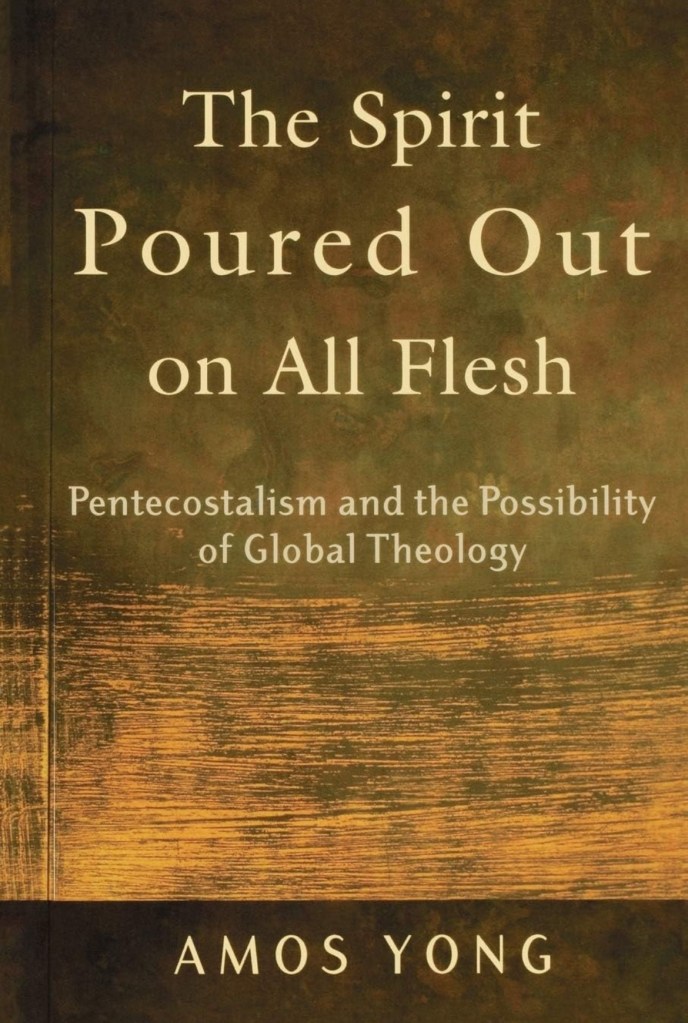
7. The Spirit Poured Out on All Flesh: Pentecostalism and the Possibility of Global Theology by Amos Yong

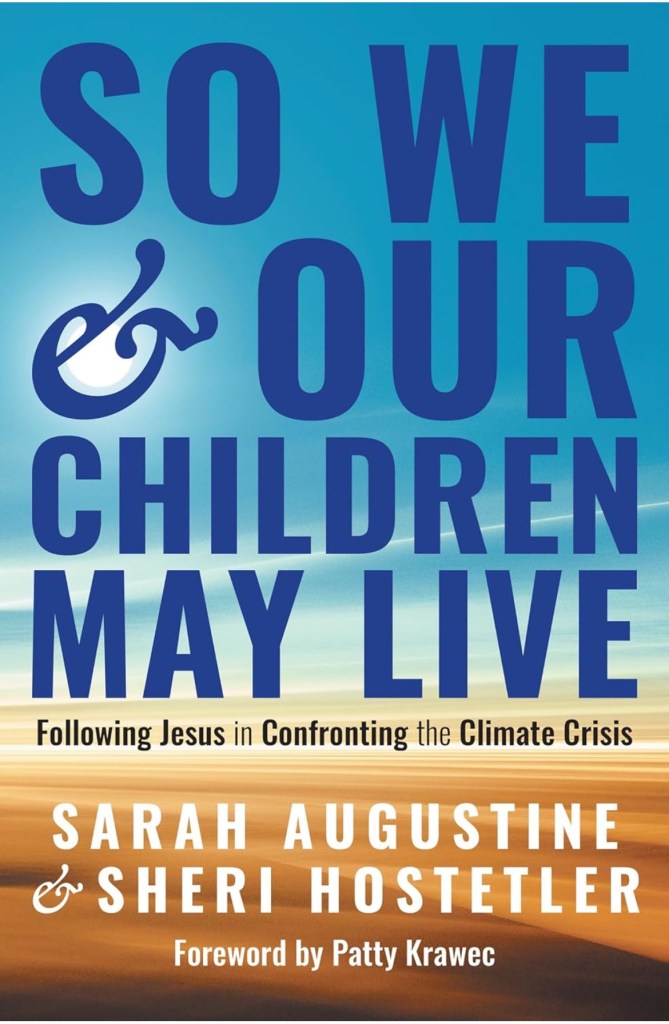
8. So We and Our Children May Live: Following Jesus in Confronting the Climate Crisis by Sarah Augustine

9. Harrow the Ninth by Tamsyn Muir

10. Theology in the Capitalocene: Ecology, Identity, Class, and Solidarity by Joerg Rieger

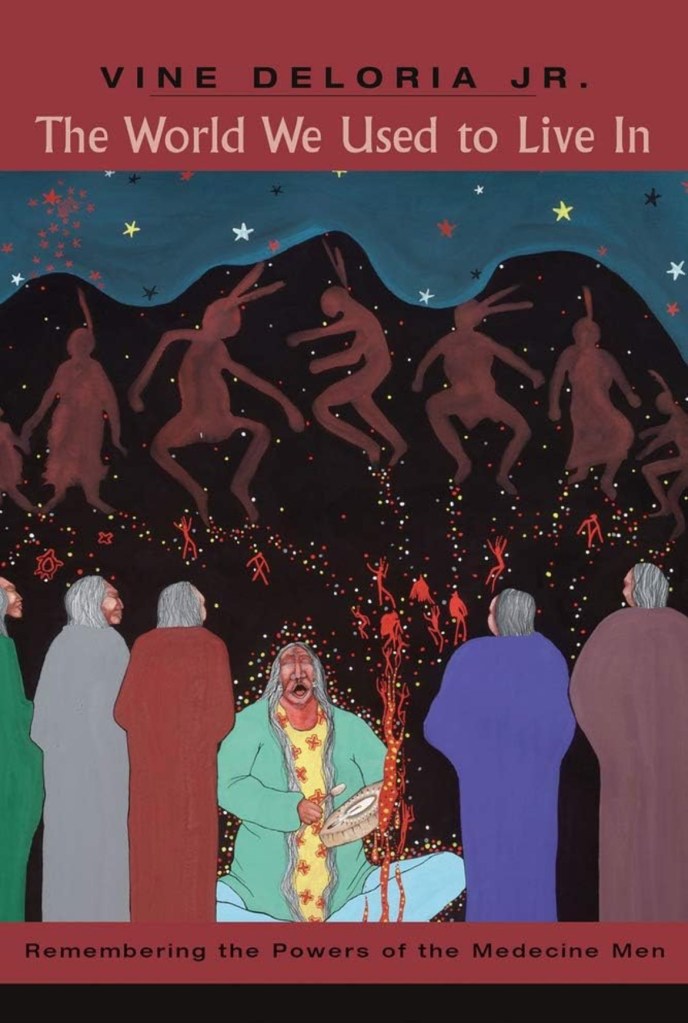
11. The World We Used to Live In: Remembering the Powers of the Medicine Men by Vine Deloria Jr.

night scene milky way background

Merry Christmas! Tis
the season of love and hope –
mindful of the trials
and tribulations of now –
and those yet to come –
but joyful that we are not
alone – God with us!

Love-Rooted Faith and Hope: A Message for Resisting Despair

“And now faith, hope, and love remain, these three, and the greatest of these is love” (1 Corinthians 13:13).

I hear much about faith and hope these days from Christians to celebrate Trump’s victory, or to silence those despairing the results. But what is meant by faith and hope in these messages? One message a proclamation of salvific victory in a deeply flawed human being, and one a bludgeon to silence those who disagree. For me, the answer is found in “the greatest of these:” Love. How must we center love to resist cheap hope and false faith? 

“We are afflicted in every way but not crushed, perplexed but not driven to despair, persecuted but not forsaken, struck down but not destroyed, always carrying around in the body the death of Jesus, so that the life of Jesus may also be made visible in our bodies” (2 Corinthians 8-10).

As we explore what faith and hope rooted in love means, it is first important to note that God commands us away from despair. This is the current struggle of my own heart-faith work. However, it is clear to me that I can be perplexed and mournful, but not giving into despair.

Faith and hope are critical to resisting despair.

“I give you a new commandment, that you love one another. Just as I have loved you, you also should love one another. By this everyone will know that you are my disciples, if you have love for one another” (John 13:34-35).

After washing his disciples’ feet, a non-hierarchical and countercultural activity of humility and service, and also sharing a meal with his disciples, Jesus gives the commandment to love one another. This love is an action, a lifestyle, a way of being, that is observable and has a communal impact.

Washing feet as humble service; Eating together as fellowship and community building. These are the actions of love that Jesus is calling us into. And this active/communal love is the root of hope and faith.

Hope and face are not excuses to be passive and to ignore the suffering of humans and creation around us. Hope and faith that bare such fruits are cheap and fake. Hope and faith that bare fruits of harm and domination are evil and anti-Christ.

Love-rooted-Faith is the belief in God’s promise of peace and well-being for all creation.

Love-rooted-Hope is the state of being that washes over us from faith.

And Love, the very Being of God, is the source of divine strength that urges us into communal action based on faith and hope. Communal action that co-creates with God the promise of peace and well-being for all creation. God’s one day fully realized Kin-dom.

This day has not yet come. The dominating, violent, exclusionary, deceitful, and blasphemous promises of Trump will make the realization of that day harder.

But I refuse to despair. Love-rooted-Faith and Love-rooted-Hope, I must. For “God’s love has been poured into our hearts through the Holy Spirit that has been given to us” (Romans 5:5).

I am not alone. We are not alone. God is with us. And we are called into action based on this love-rooted faith and hope to fight for the well-being of all people and creation.

May we make it so.

Amen.
Grant’s 10 Favorite Books of 70 Read in 2023!

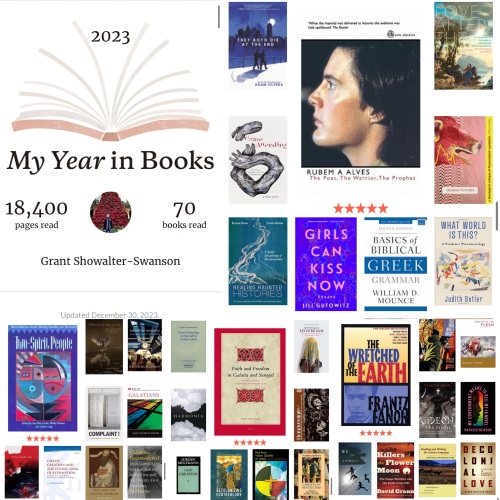
1. When the Light of the World Was Subdued, Our Songs Came Through: A Norton Anthology of Native Nations Poetry, edited by Joy Harjo, with LeAnne Howe and Jennifer Elise Foerster

2. Poet, the Warrior, the Prophet, by Rubem Alves

3. Decolonial Christianities: Latinx and Latin American Perspectives, edited by Raimundo Barreto and Roberto Sirvent

4. Reading and Writing the Lakota Language, by Albert White Hat Sr.

5. Healing Haunted Histories: A Settler Discipleship of Decolonization, by Elaine Enns and Ched Myers

6. Galatians: A Theological Commentary on the Bible, by Nancy Elizabeth Bedford

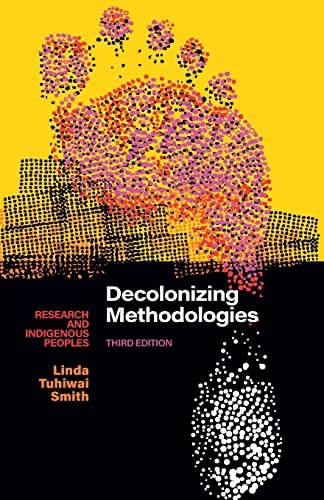
7. Decolonizing Methodologies: Research and Indigenous Peoples, by Linda Tuhiwai Smith

8. Complaint!, by Sara Ahmed

9. Faith and Freedom in Galatia and Senegal: The Apostle Paul, Colonists and Sending Gods, by Aliou Cissé Niang

10. Trading Futures: A Theological Critique of Financialized Capitalism, by Filipe Maia

Happy Fourth of July

Be grateful for what you have,

they say.

Okay.

I’m grateful for my marriage

with my husband.

But many folks across the country,

emboldened with power,

want to rip our marriage apart,

calling our love unconstitutional,

along with many other nasty

words, phrases, and threats.

Seeking the goal of allowing

states to make our union illegal,

or perhaps a full-fledged federal ban.

So I’ll be grateful for what I have,

as I’ve been told,

before it all gets legislated away.

Happy Fourth of July

‘After Whiteness: An Education in Belonging’ by Willie James Jennings Book Review

www.goodreads.com/book/show/50376048

“The crowd is itself a destination and not a means to an end. The goal of cultivating those who can gather people centers theological education in its erotic power….Erotic power is, as Rita Nakashima Brock states, ‘the power of our primal interrelatedness’….Erotic power has been drawn in our time into the trajectories of colonial control rooted in whiteness and made malignant through racial segregation that has shaped and continuous to shape so many individuals and communities. Desire rooted in control is disordered desire that inevitably forms social prisons that drain life” (Willie James Jennings 149).

“The distorted erotic power that fuels that works must be freed from its captivity to whiteness and turned back toward its source in divine desire. We can start again. That ‘again’ being a gift from the God who raised Jesus from the dead. Theological education exists in the ‘again.’ This is education that has as its fundamental resource erotic power, and that power finds its home in the divine ecstasy in which God relentlessly gives Godself to us, joyfully opening the divine life as our habitation” (Willie James Jennings 151).

“To be invoked in theological education is to long for eternity and the end of death. It is to seek the blessed state where our words start to do new works by first joining the chorus of the words of those who live forever in the Lord and who sound the healing and redeeming voice of the living God. Then our words will heal. Then our words will build up. Then our words will help form life together. Then our words will give witness to a destiny only visible through love. Talking together then is a practice aimed at eternity, and it matters more than we often realize for bringing our hope into focus. This finally is the goal of this book and the task I want to leave you with — to bring hope into focus” (Willie James Jennings 157).

Preparation Prayer

Lord,

prepare my ears to hear the suffering

shield my heart to not take on that pain

warm my soul toward genuine empathy

enliven my mind to interpret and translate

and sharpen my tongue to speak the wisdom

of Your Holy Spirit

Amen.

Prayer of Lament

Creator God of supposed justice and love,

why did you create a world full of such pain, division, and discord?

where our own families and friends

exchange violent words and vicious lies

about scientific health precautions

and protecting the basic human dignity and life

of all people?

Where dehumanization and oppression

become the expectation and right of those in power?

God of justice and love,

didn’t you proclaim victory over sin and death?

Why then must we feel the sting of death

and the seeming victory of sin?

I know you commanded us to be your agents of love and justice –

to teach others and make disciples of all people –

but we are walking in the valley of death

and I do fear evil.

But I also put my faith and hope

in a justice-filled day.

Please lead me Lord,

and I’ll try my best

to follow.

Amen.

‘Nature Poem’ by Tommy Pico Review

www.goodreads.com/book/show/32311036

“NDN teens have the highest rate of suicide of any population group in America. A white man can massacre 9 black ppl in a church and be fed Burger King by the cops afterward. A presidential candidate gains a platform by saying Mexican immigrants are murdered and rapists

It’s hard for me to imagine curiosity [in America] as anything more than a pretext for colonialism” (Tommy Pico, ‘Nature Poem,’ 40).

“Look, I’m sure you really do just want to wear those dream catcher earrings. They’re beautiful. I’m sure you don’t mean any harm, I’m sure you don’t really think abt us at all. I’m sure you don’t understand the concept of off-limits. But what if by not wearing a headdress in yr music video or changing yr damn mascot and perhaps adding .05% of personal annoyance to yr life for the twenty minutes it lasts, the 103 young ppl who tried to kill themselves on the Pine Ridge Indian reservation over the past four months wanted to live 50% more” (Tommy Pico, ‘Nature Poem,’ 56).

8 Key Takeaways from ‘Atando Cabos: Latinx Contributions to Theological Education’ by Elizabeth Conde-Frazier

www.goodreads.com/book/show/56783225

8 Key Takeaways from ‘Atando Cabos: Latinx Contributions to Theological Education’ by Elizabeth Conde-Frazier

1. “After the 1940s, a tension arose among [Latin American] churches. The premillennial missionaries had greater influence, and the tension between their advocacy of social action and the priority of evangelization was transmitted to Latin America….some of the existing Protestant organizations ruptured into two campus: those maintaining active social witness and ecumenism, whose theology emphasized God’s work in history, and those who identified with separatist fundamentalism….Since the liberal proponents of the Social Gospel viewed education as a way of bettering society, they sought to have conversations with the intellectual classes and promoted political debates. They also promoted education that included more than teaching the Bible, such as classes in literacy, agriculture, and dance. The conservative group viewed education as a means to bring people to personal salvation and discipleship. Rooting the gospel in a particular country or culture was the goal of both of these groups, but the dimensions of life that they believed were to be engaged by the gospel determined what aspects of life their educational models engaged” (Conde-Frazier, ‘Atando Cabos,’ 14-15).

2. “When it comes to service, such ministry is understood to occur not only within the church but also in the world. We need but two things to be faithful servants in this understanding of the priesthood of all believers. The first is vocation. All must be provided opportunities to discover their vocation, and then opportunities to develop that vocation. The second thing we need to know is the state of the world. We need to inform ourselves about the state of the world in order to be moved through the Spirit to use our vocation for the restoration and redemption of the world….Understanding faith in the context of the world allows us to use our faith to carry out our vocation. Faith lived within the context of the world determines the diversity of needs and the vocations that can be developed to address these needs by the ministries of the priesthood of all believers….The ministry of the clergy is given by Christ to the church as a gift so that the Word is preached and the sacraments are administered. Ordination is a public confirmation of that calling, and at ordination the person ordained does not receive special power but rather a commissioning” (Conde-Frazier, ‘Atando Cabos,’ 43-44).

3. “Knowledge can only exist and be generated in and from a contextual reality. Such an understanding of theology steers us away from theology as sana doctrina (sound doctrine)-a set of universal formulations that cannot be changed and that comes from outside of ourselves to define us, regardless of our present situation and culture. This also changes the epistemology, pedagogy, and curriculum because it steers us away from a taught transmissive theology and from being inactive recipients of that transmission. Instead, it situates us as agents who are actively engaged in a collaborative construction of knowledge” (Conde-Frazier, ‘Atando Cabos,’ 51).

4. “Curriculum is not only books or lectures; it also includes the persons involved in the teaching/learning engagement and the content of their lives and realities….Theological education brings us to the work of reconciliation of human bonding and of connecting with creation….The politics, economics, suffering, structures of new identity formation, and strategies of survival and justice of such immigration and diasporic living must be included if resilience is to open a door to the doing of a theology of hope and thriving that informs an ecclesiology and missiology for the Latin@ community of the diaspora” (Conde-Frazier, ‘Atando Cabos,’ 61).

5. “Interdisciplinarity and the arts [must] become a part of the curriculum and pedagogy” (Conde-Frazier, ‘Atando Cabos,’ 70).

6. “If we are intentional about using [new] media and we balance them pedagogically, they provide ways of engaging multiple intelligences….All [new] media invites educators to rethink their content and more intentionally insert different types of questions along the spectrum of Bloom’s taxonomy to develop critical thinking for our students during a semester….In virtual education, an action-reflection-action model can guide our resources and modules….The tasks of the church-fellowship, social action, proclamation, teaching social justice, reconceiving economic arrangements, and liturgy-all need to be reevaluated and redefined for [virtual education]” (Conde-Frazier, ‘Atando Cabos,’ 75-77).

7. “Let’s go beyond the traditional forms of education…provide classes in English or Spanish…provide health education…share information with the community about knowing our rights as immigrant person, or about financial literacy…offer GED classes…offer parenting classes…foster entrepreneurial and financial literacy skills….Theological education that is guided by a vision of mission integral will reach to every sphere of life” (Conde-Frazier, ‘Atando Cabos,’ 97).

8. “Whether in or beyond congregations, whether singular or blended, vocations today place great demands on people. Young people seem to recognize this, and they are especially interested in developing their spirituality as they go about the work of changing the world as an expression of their passions. Theological education for these times must attend not just to skills but also to the cultivation of deep and durable spirituality” (Conde-Frazier, ‘Atando Cabos,’ 123).